
Design & Training
Field-ready training that closes the gap between knowing what a geosynthetic system does and knowing how to deploy it.
The FTG Approach
Geosynthetic tube systems are not complicated — but proper installation and use are critical to project success. The difference between a project that performs as designed and one that falls short almost always comes down to decisions made in the field: how a site is prepared, how material is conditioned, how tubes are filled, and how pressure is managed in real time. That kind of field judgment is not learned from a spec sheet. It is developed through training with people who have deployed hundreds of systems and remember what went wrong when corners were cut.
FTG trains the teams that deploy its systems around the world. That training happens in Metter, Georgia. It happens on project sites across six continents. And it happens through the TITANTube® Engineer Tech Certification Program — the only formal certification of its kind in the geosynthetic tube industry — which structures FTG’s accumulated field knowledge into a curriculum that travels.
6
Continents with Active Training
30+
Years of Field Knowledge
3
Permanent African Offices
4
Certification Levels
Metter, Georgia
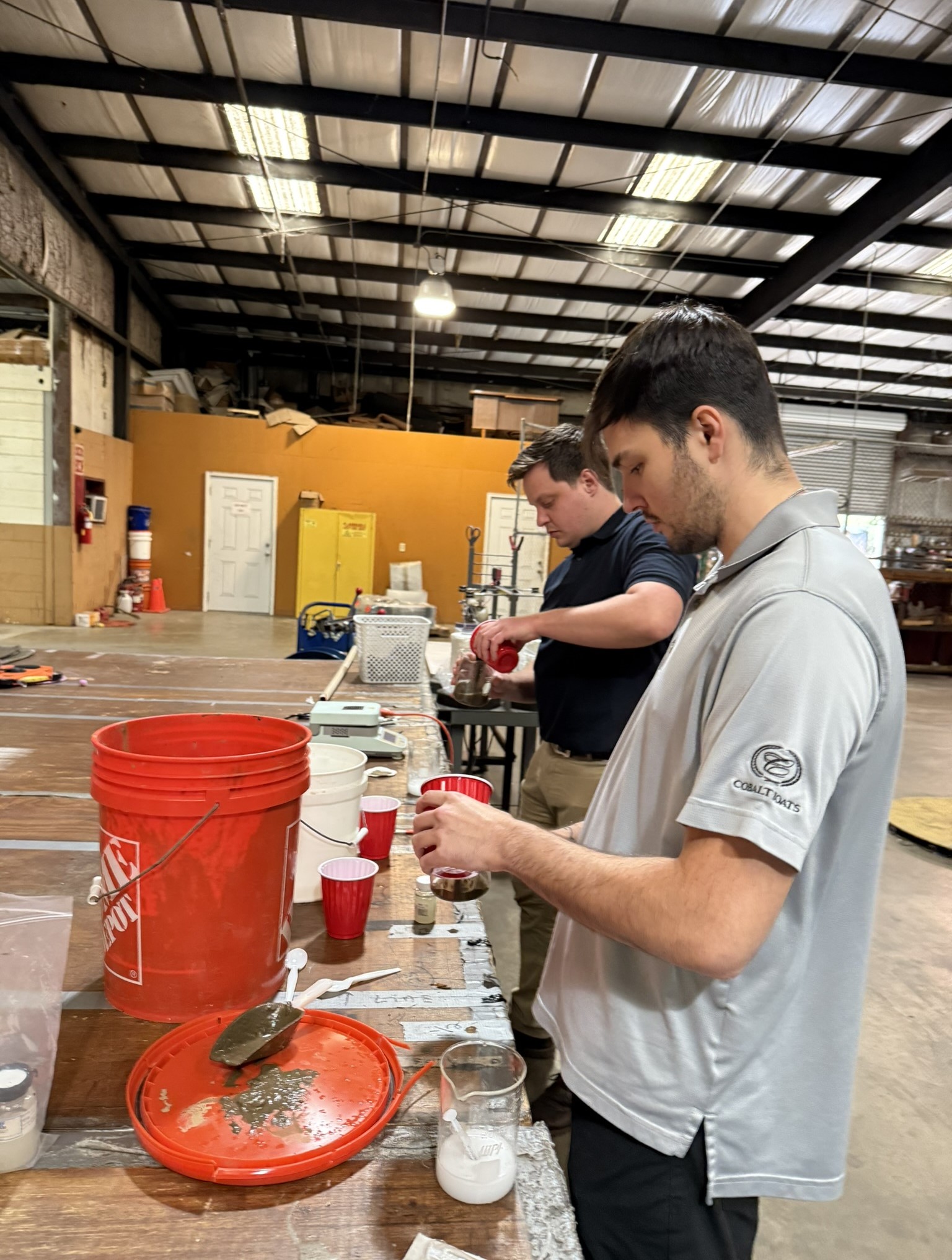
FTG’s primary training facility is at its headquarters in Metter, Georgia. Representatives, distributors, installation contractors, and project owners from Africa, Latin America, Canada, Asia, and across North America come to Metter to train with FTG’s technical team — and to see, touch, and work with the actual products in a controlled environment before deploying them in the field. Training in Metter typically covers system selection and sizing, polymer conditioning/treatability screening and fill port utilization, tube layout and filling sequence, pressure band monitoring, perimeter configuration, and field quality control. It is hands-on work, not classroom work. Participants leave with the ability to direct a deployment — not just describe one. Proximity to the city of Savannah makes Metter a practical destination for international training participants. FTG uses that logistical advantage deliberately — Savannah is an easy and pleasant entry point for international visitors, and the Metter facility is a 90-minute drive from the airport. Participants from international markets often extend their visit to experience the region and build relationships with the FTG team that persist through the life of their projects.
90 min
from Savannah Airport
On-Site & In-Market
For installation crews preparing to deploy a system for the first time — or for project teams taking on a larger or more complex application than they have previously managed — FTG’s technical team provides virtual and on-site training directly at the project location. Field training is conducted by FTG’s most experienced deployment personnel, who work alongside the installation crew through the first fills, identify adjustments needed for site-specific conditions, and remain available virtually through the duration of the deployment. On-site training is particularly valuable for first deployments, new material types, complex configurations such as multi-tier stacking, and international deployments where FTG is introducing its systems into a new market.
6
Continents Served
Africa Operations
FTG’s Africa operation is one of the clearest demonstrations of what serious investment in training produces. FTG’s permanently based staff in Western Cape, Gauteng, South Africa, and West Africa are specifically trained and certified for the applications they serve. They are not general-purpose field representatives — they are certified geosynthetic tube deployment specialists who understand the material types, climate conditions, regulatory environments, and logistical realities of African mining, municipal, and coastal applications. That level of in-market technical capability took years to build. It is why FTG is the only geosynthetic tube company with genuine, specially trained team members in Africa — and why project owners and consultants across the continent can engage FTG with confidence that the technical support they need is available where they need it.
3
Permanent African Offices
Consultants & Owners
Training is not only for installation crews. Consultants and project owners who understand what a geosynthetic system can and cannot do — and why certain decisions matter — make better projects. FTG’s technical team regularly engages with consultants and project owners through project-specific briefings, site visits, and participation in industry conferences and workshops. At industry conferences, FTG’s technical presentations cover sludge lagoon cap reinforcement, geotextile tube dewatering at scale, and coastal restoration project design — sharing field-validated lessons with the broader community of consultants and end users.
30+
Years of Field Knowledge
Common Questions
For Metter facility training, scheduling two to four weeks in advance is generally sufficient for most programs. For on-site field training that needs to coincide with a project mobilization, FTG asks for as much lead time as possible — ideally four to six weeks — to ensure the right personnel are available, and logistics are coordinated with the project schedule. For international travel, additional lead time for visa and travel arrangements should be factored in. Reach out early and FTG will work within whatever timeline the project requires.
Metter facility training sessions work best with groups of four to twelve participants — large enough to benefit from peer learning and discussion, small enough that each participant gets meaningful hands-on time. On-site field training is generally most effective with the actual installation crew plus any project management personnel who will be overseeing the deployment. Very large crews may be split into rotating sessions to maintain training quality. FTG will recommend a group size and format based on the training objectives and the participants’ starting level.
For standard orders within FTG’s established distributor and contractor network, a baseline level of technical support and remote guidance is included. Formal in-person training programs — whether at the Metter facility or on-site — are scoped and priced based on duration, travel requirements, and participant count. For large or ongoing project relationships, FTG often structures training as part of the broader project support package. Contact FTG to discuss what training is appropriate for your project scope and relationship context.
Yes — and most training programs are customized to some degree. A crew deploying TITANTube® systems for mine tailings dewatering in South Africa has different training needs than a crew installing coastal breakwaters in Florida. FTG builds training content around the specific application, material type, site conditions, and crew experience level of each engagement. The TITANTube® Engineer Tech Certification Program provides the structural framework; the content within each level is adapted to be directly relevant to the participant’s work.
Remote training is available for introductory and conceptual content — system overview, application selection, material characterization basics, and project planning. It is critical to help the contractor to make sure the right equipment and personnel are in place before mobilization. It may not be a substitute for hands-on installation training, where the physical skills and real-time judgment that good deployment requires must be developed in person. FTG uses remote training to prepare participants before they arrive at the Metter facility or a project site, and to provide follow-up support after in-person training as questions arise during a deployment.
Yes. FTG regularly works with environmental and coastal consultants who are specifying geotextile tube systems and want a deeper understanding of how those systems work, what the design parameters mean, and how installation variables affect performance. This kind of training is typically more conversational and technical than hands-on installation training — it happens through project meetings, site visits, conference presentations, and direct technical engagement with FTG’s design team. If your firm is regularly specifying geotextile tube systems and wants to deepen that technical foundation, contact FTG to discuss what engagement makes sense.
geotextile specialists
Free Consultation