The only formal certification program in the industry.

Geotextile Tube Dewatering for Sludge & Sediment

121 years of accumulated experience & knowledge. Results documented across six continents. FTG built the knowledge base the industry runs on.

The only formal certification program in the industry.

Geotextile Tube Dewatering for Sludge & Sediment

121 years of accumulated experience & knowledge. Results documented across six continents. FTG built the knowledge base the industry runs on.

What Our Clients Say

“

“While the structural integrity and resultant margin of safety afforded by TITANTubes® is a paramount factor in our choosing to use this product exclusively, the superior performance of this product is also critical to our purchasing decisions. Relative to competing geotextile products we've used, the high flow rates that we've documented in using TITANTube® OS435 geotextile fabric have contributed to shorter dewatering times and resultant larger margins of profit on each of our projects.”

Water treatment professional, USA

What Our Clients Say

“

“While the structural integrity and resultant margin of safety afforded by TITANTubes® is a paramount factor in our choosing to use this product exclusively, the superior performance of this product is also critical to our purchasing decisions. Relative to competing geotextile products we've used, the high flow rates that we've documented in using TITANTube® OS435 geotextile fabric have contributed to shorter dewatering times and resultant larger margins of profit on each of our projects.”

Water treatment professional, USA

FTG Sets the Industry Standards for Geotextile Tube Dewatering

The decisions that determine geotextile tube dewatering project success — proper site preparation, polymer selection, fill cycle management, tube sizing for site conditions, the most effective dewatering fabric combined with the most efficient tube design — live in FTG’s team and in a proprietary four-level curriculum. In FTG’s field record. In the project data from 30 years of deployments.

Geotextile Tube Dewatering Industries Served

What Geotextile Tube Dewatering Makes Possible

Municipal Biosolids Dewatering — Protecting Drinking Water, Recovering Value

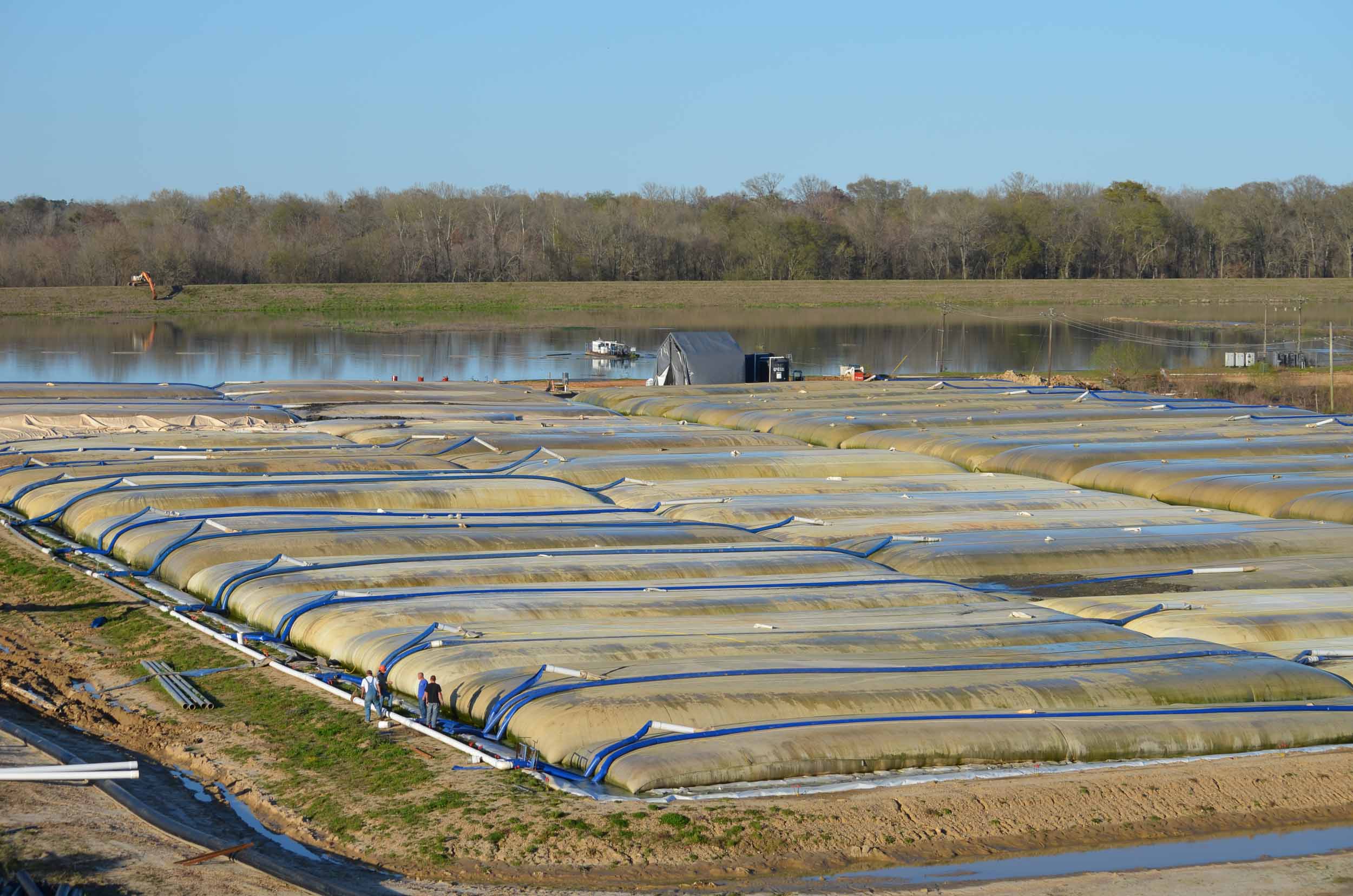
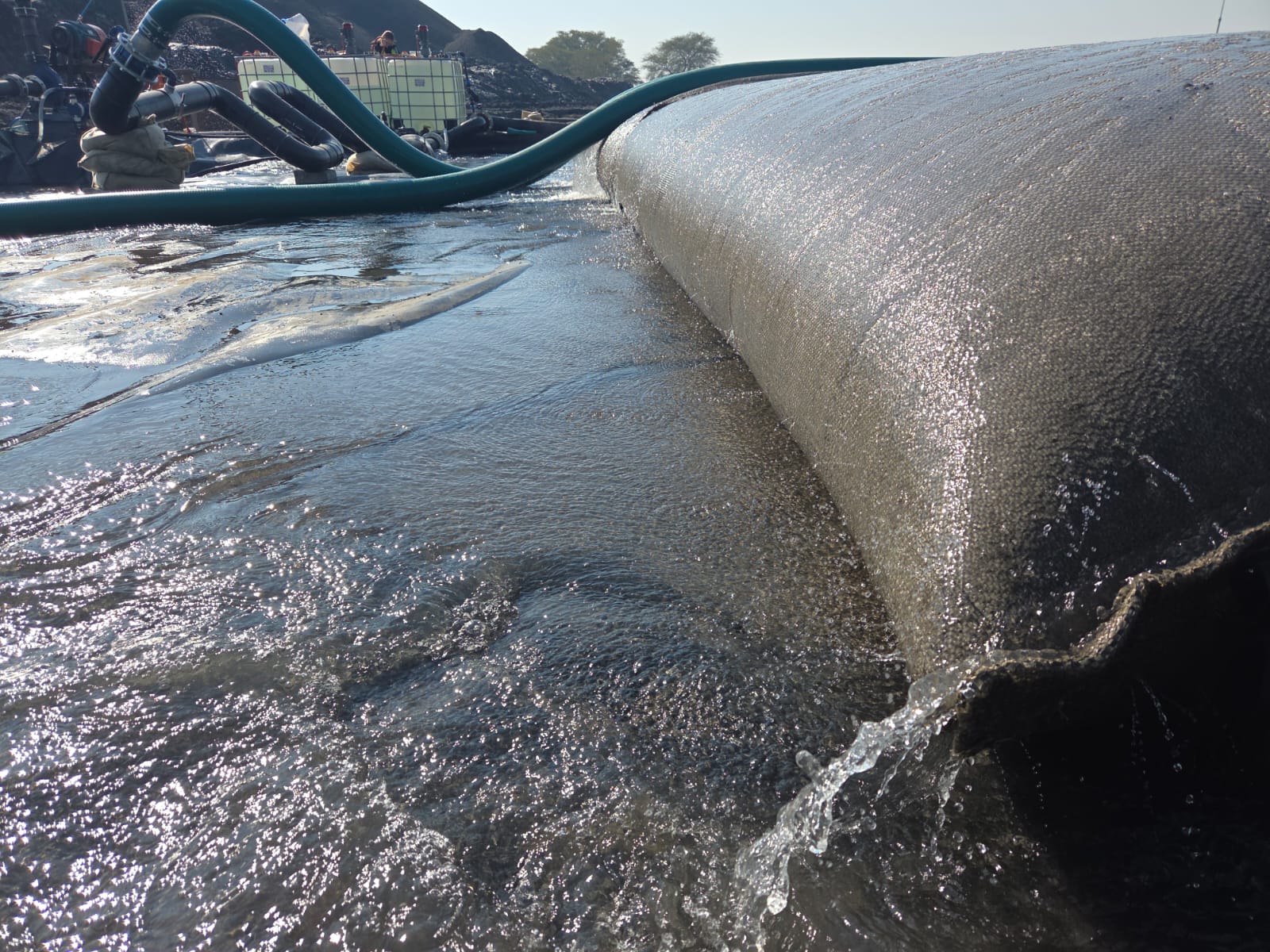
Untreated biosolids accumulating in lagoons degrade surrounding waterways, with downstream risk extending to drinking water supplies. TITANTube® geotextile dewatering systems capture, contain, and dewater solids at the source. Polymer conditioning produces clear filtrate at approximately 85% of the incoming flow rate. At 30%+ total solids — achievable in 30 days — dewatered biosolids are ready for land application or possibly energy conversion. A disposal cost becomes revenue or a resource.

Mining Tailings Dewatering — Coal Fines: From Waste to Recoverable Asset

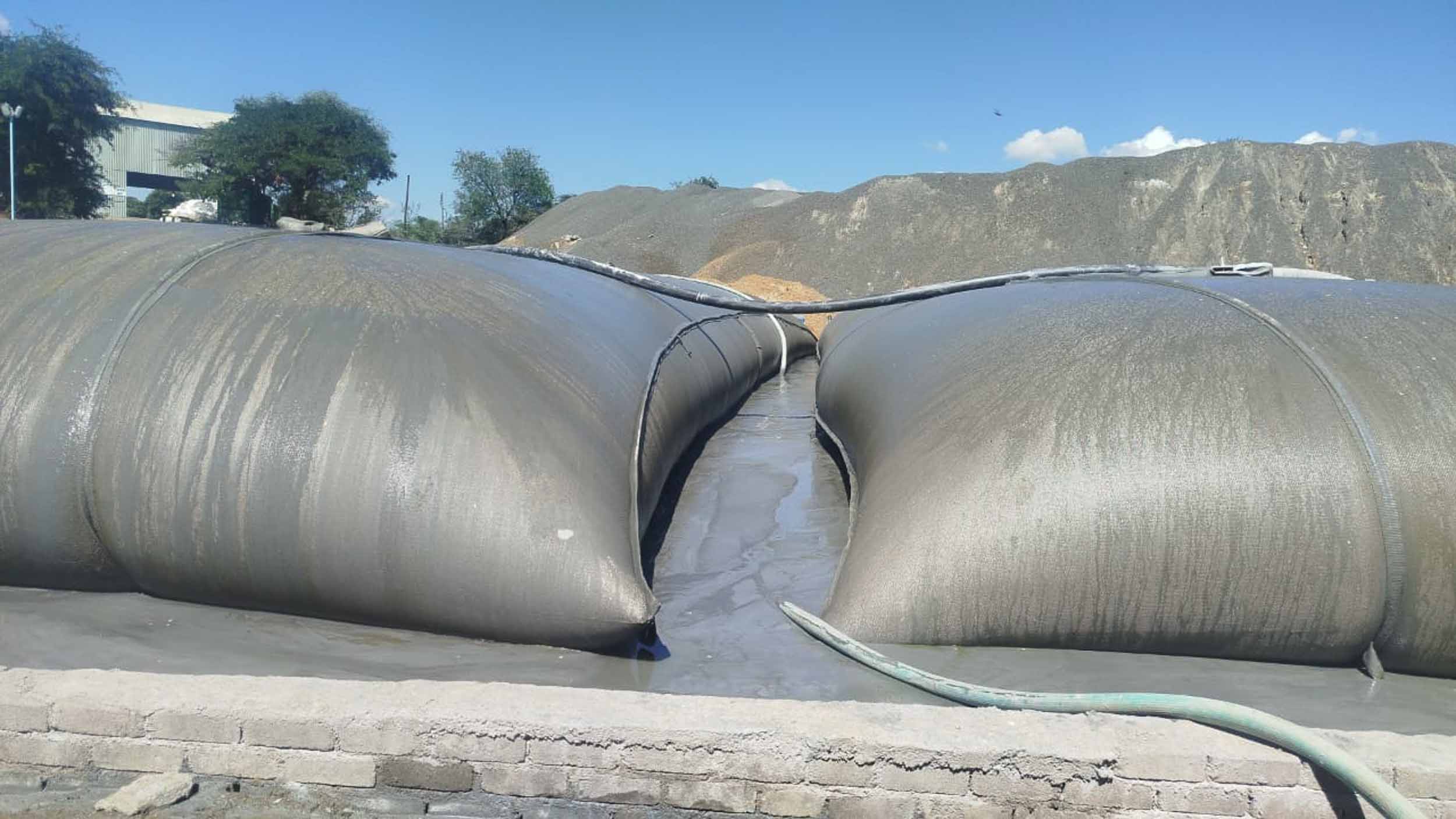
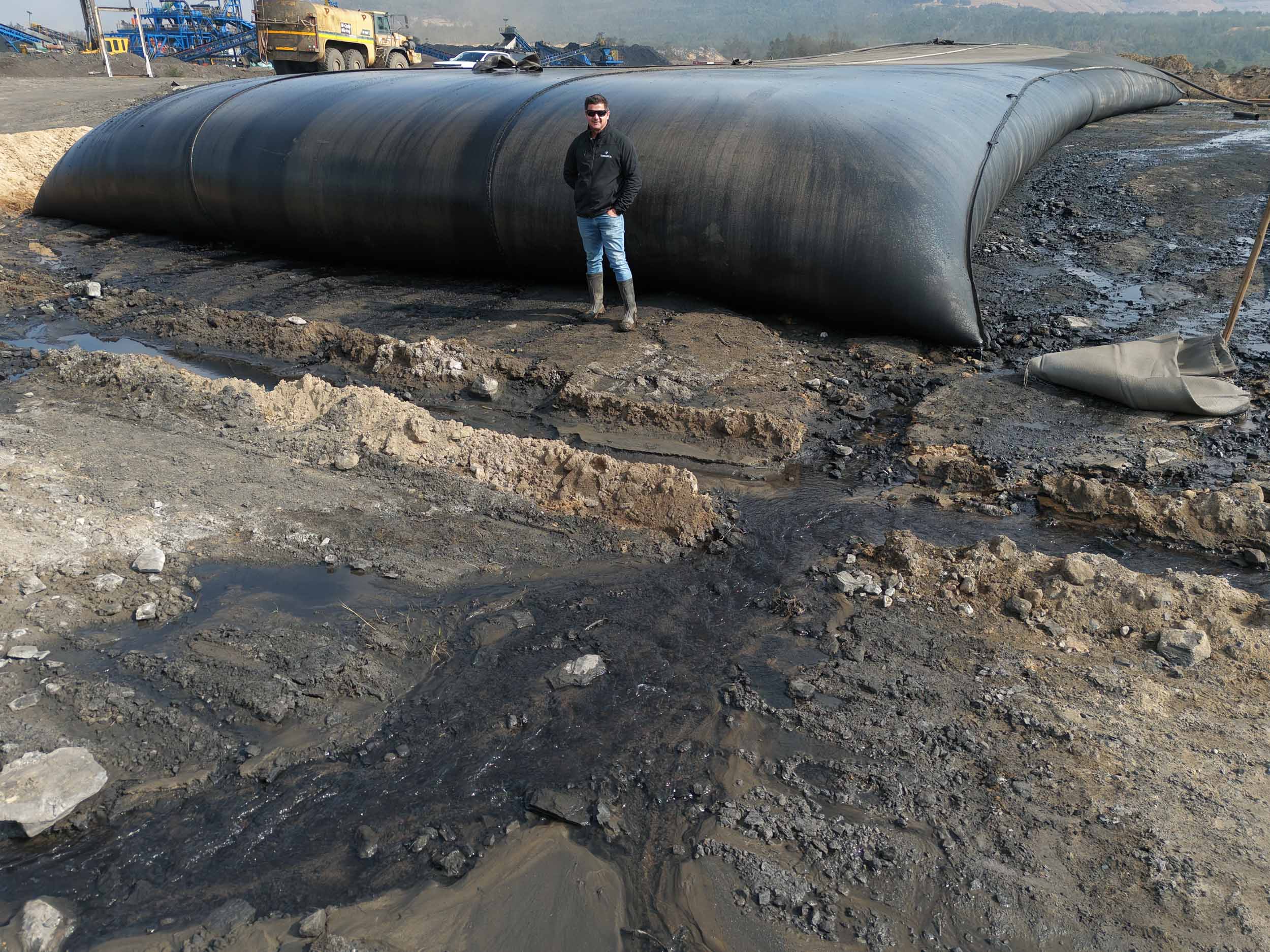
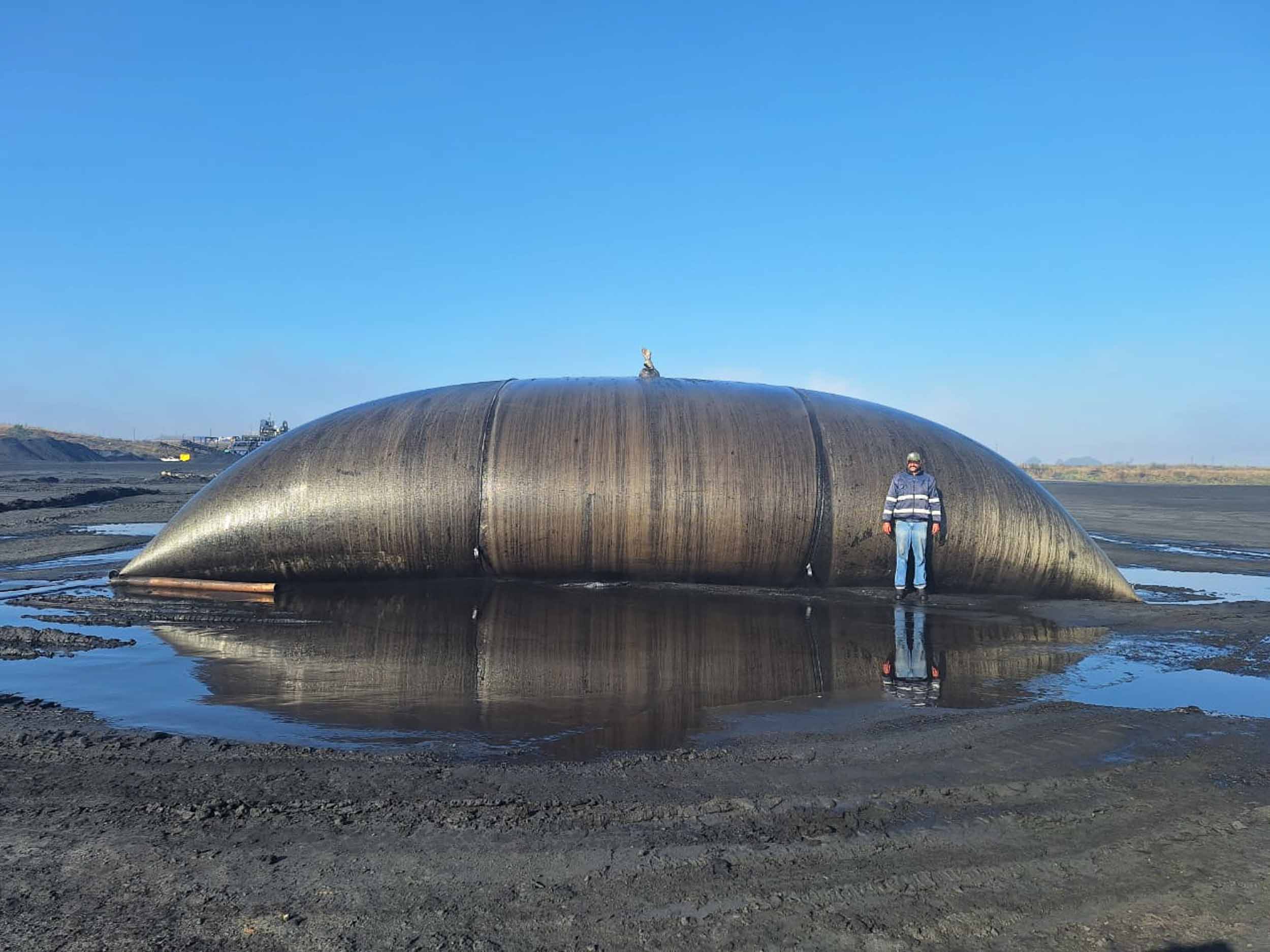
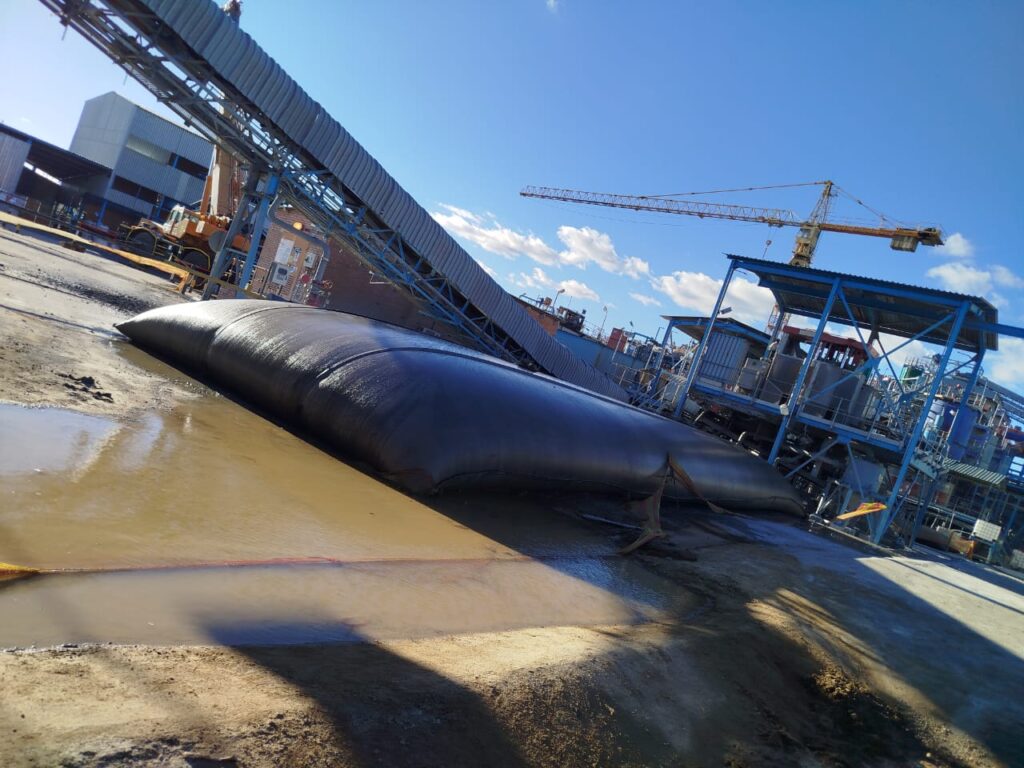
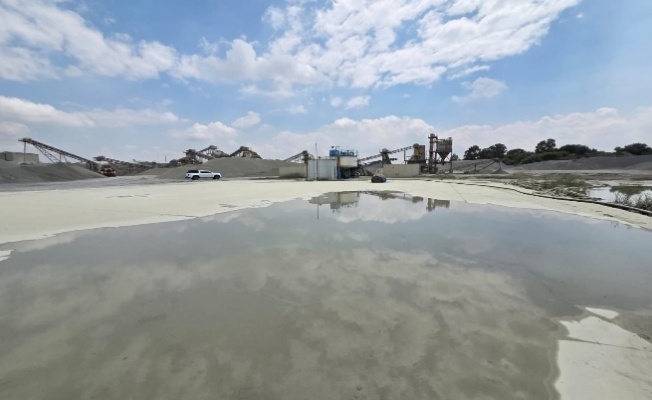
Coal fines used to be waste. TITANTube® dewatering systems changed that. Fines are pumped in, process water is extracted and returned to the wash circuit, and the dewatered product is recovered and sold. The same logic applies to chrome, platinum, and sand wash operations. FTG is the only geosynthetic tube company with a qualified, trained presence in Africa — specifically trained & certified for the applications we serve — with regional inventory maintained in South Africa for rapid deployment to mining sites across the continent.

Food Processing and Agricultural Waste Dewatering

High-solids organic sludge presents complex dewatering challenges. FTG’s technical team has direct project experience with active covered anaerobic lagoons with methane release risk, floating odor-control crusts that must be preserved during dredging, and cationic emulsion polymer programs for rapid flocculation of high-organic material. Results: 14% in-situ solids to 30–40% in 45 days.

Industrial and Municipal Wastewater Treatment Sludge

Across pulp and paper, general industrial process waste, fly ash, and contaminated harbor sediment — TITANTube® systems reduce disposal volume, lower hauling and tipping costs, and produce a stabilized solid that is safer and easier to manage than liquid sludge. Filtrate goes to secondary treatment or returns to the process circuit, meeting permit requirements without a lot of moving parts to break down.

The Only Geosynthetic Tube Company with Engineers and Engineer Techs in Africa

FTG is the only geosynthetic tube company with a technical team permanently based in Africa — specifically trained & certified for the applications we serve. Specialists in Western Cape, Gauteng, and West Africa. Regional inventory in South Africa. Support equipment including moisture balances and polymer injection systems staged in-country. In-country, immediately available, hands-on technical support for mining and municipal geotextile tube dewatering projects across the continent.

What Our Clients Say

“
Quotations are paraphrased to maintain anonymity and comply with trademark registrations.

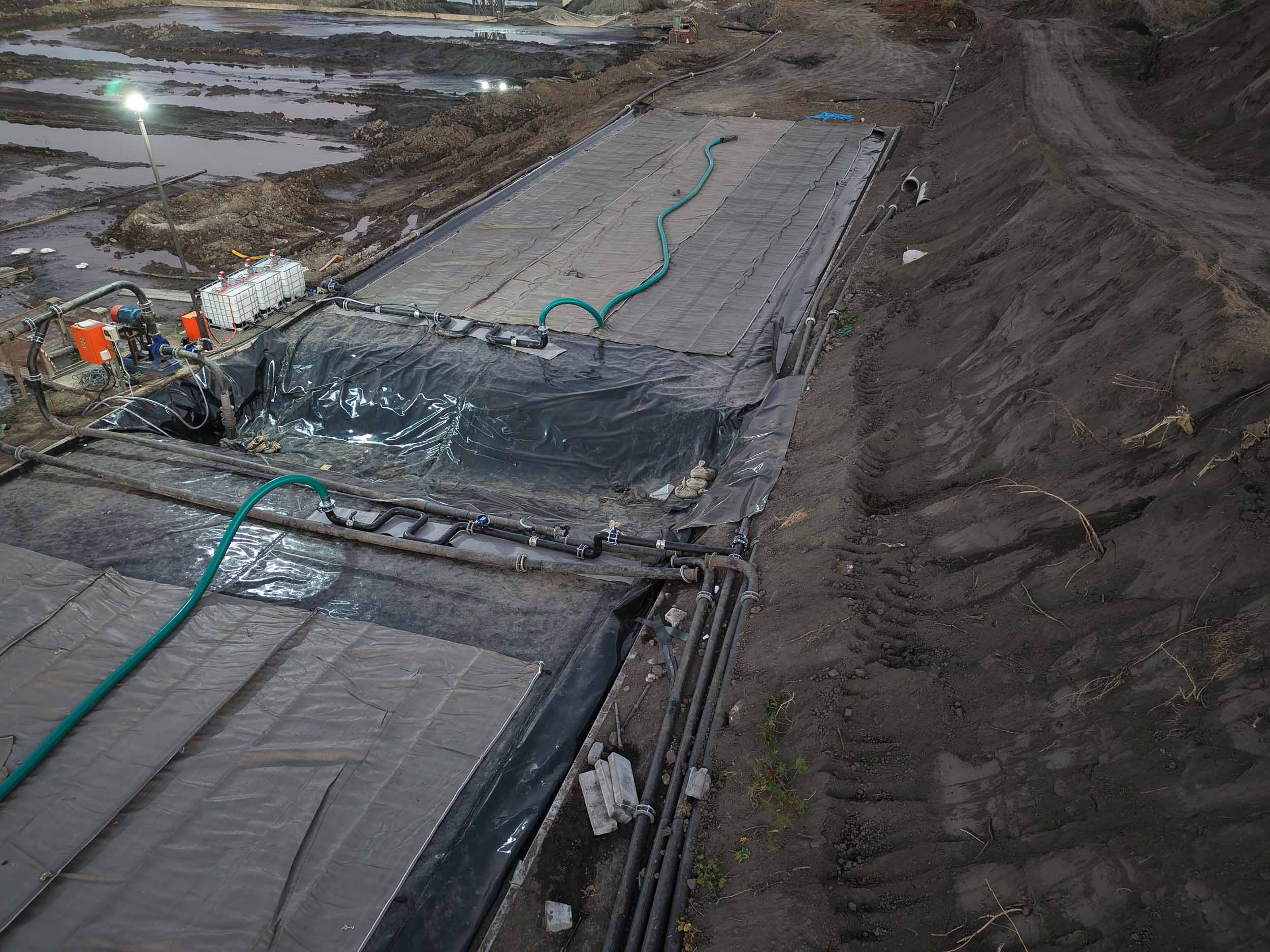
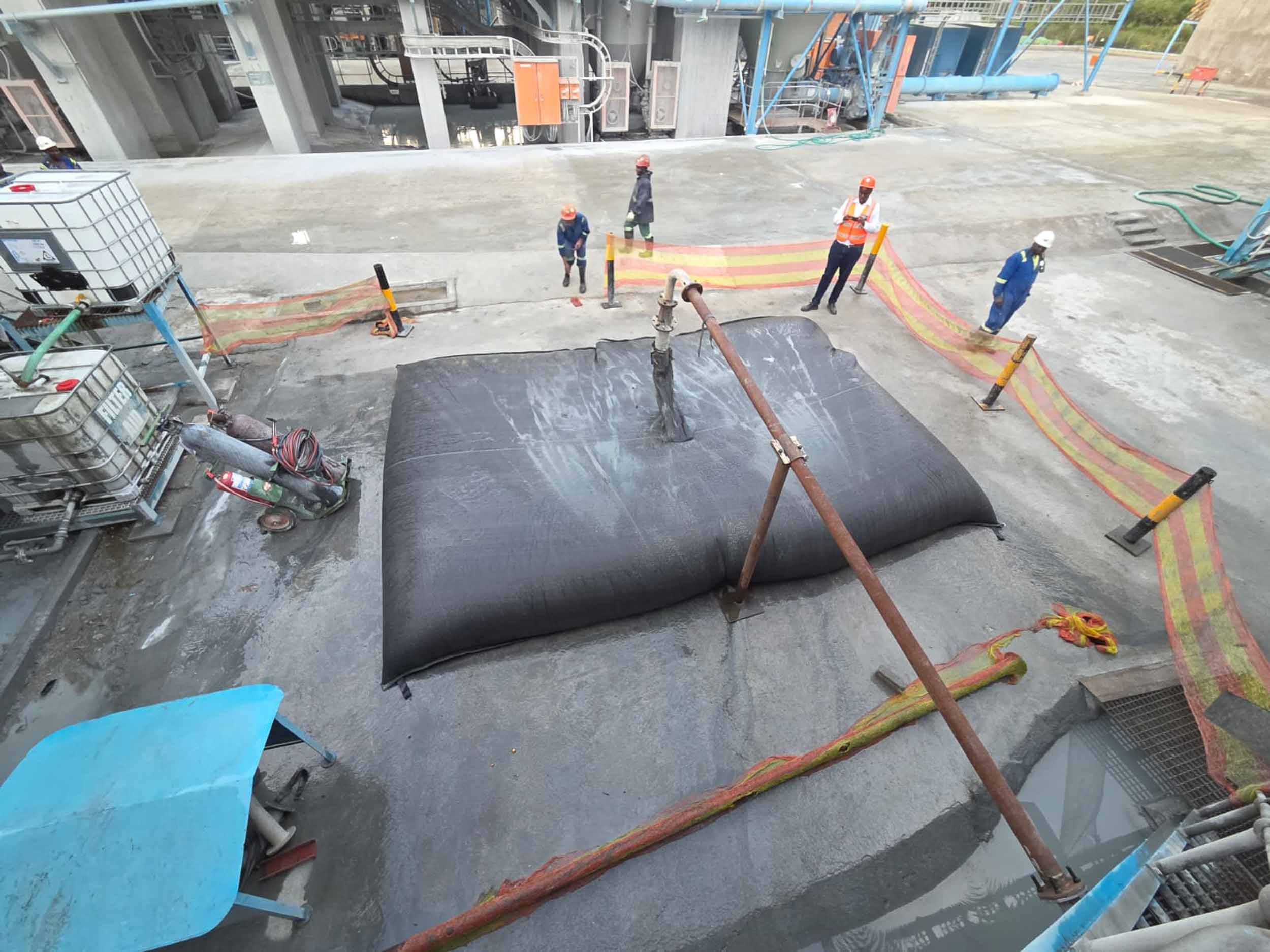
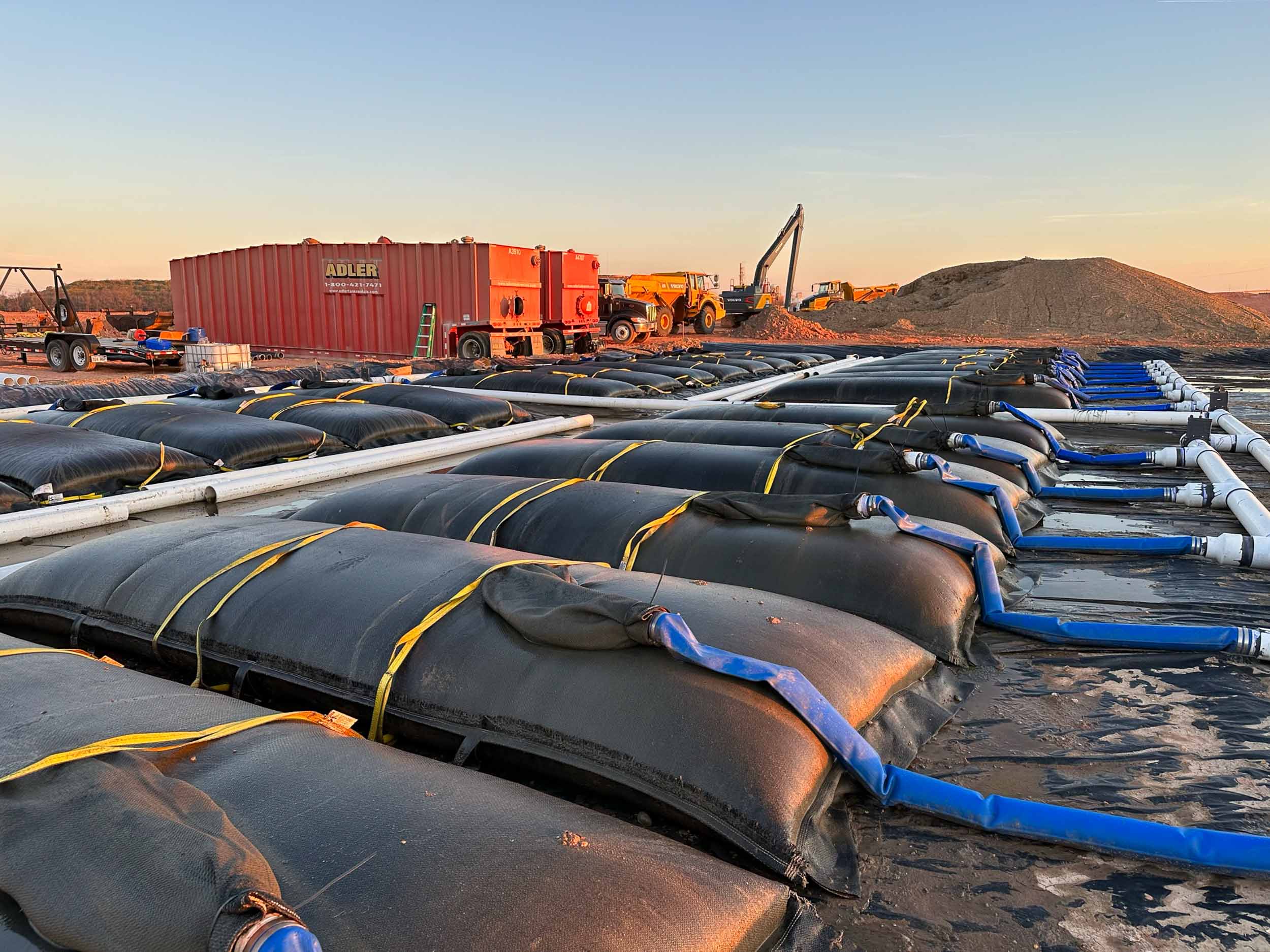
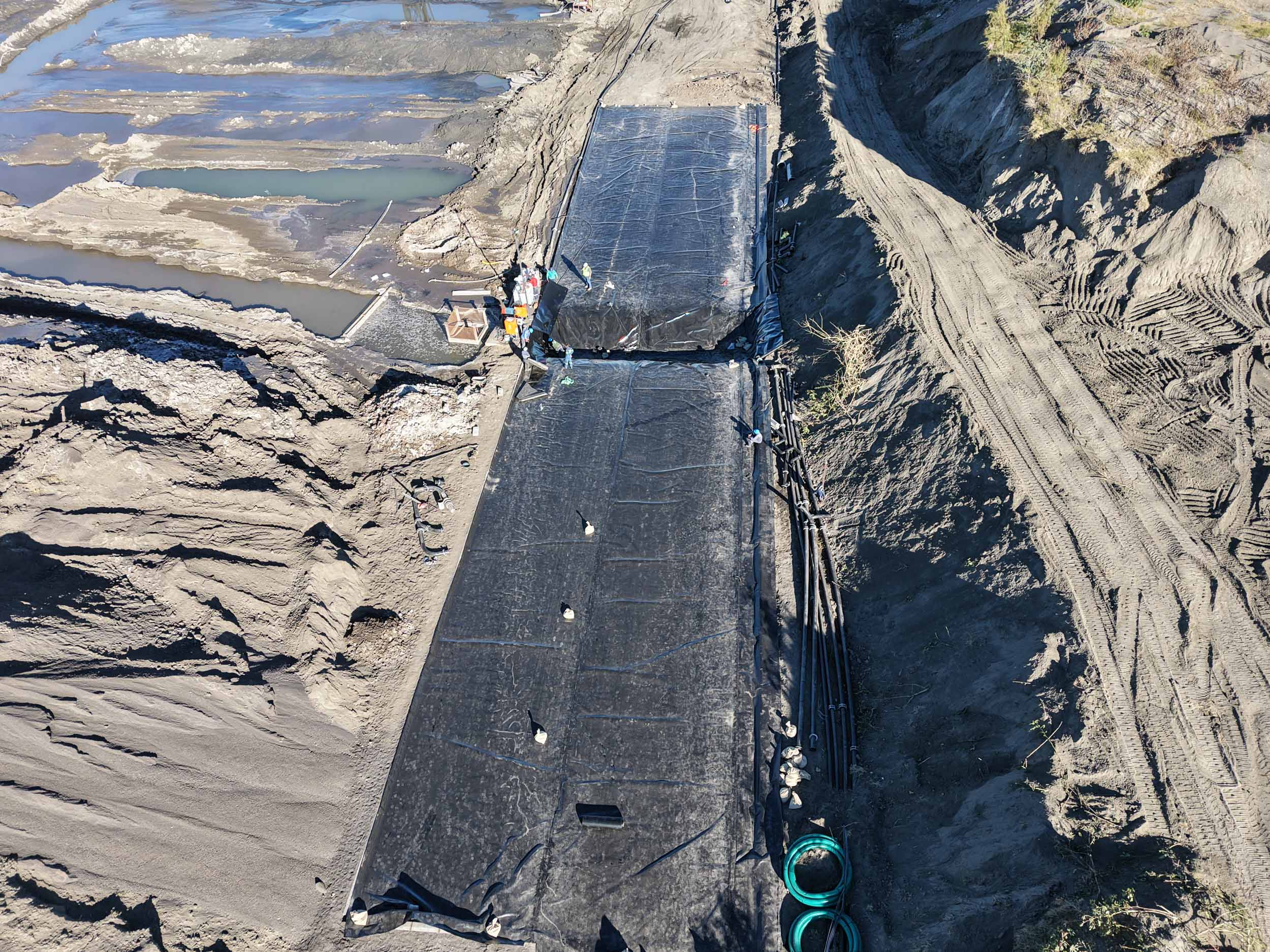
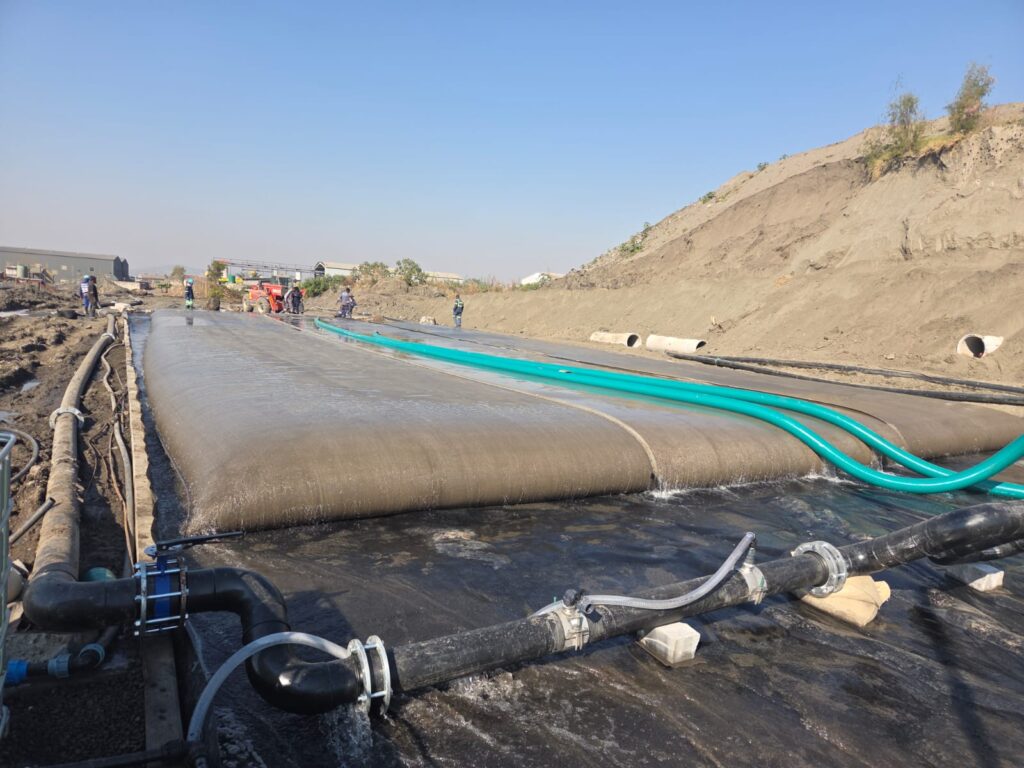
In the Field

Need a Conceptual Design for Your Dewatering Project?

FTG has generated hundreds of conceptual designs for geotextile tube dewatering projects worldwide — municipal biosolids, mining tailings, food and agricultural waste, industrial process waste, and more. FTG’s technical team delivers the site-specific system analysis your project needs.

Frequently Asked Questions

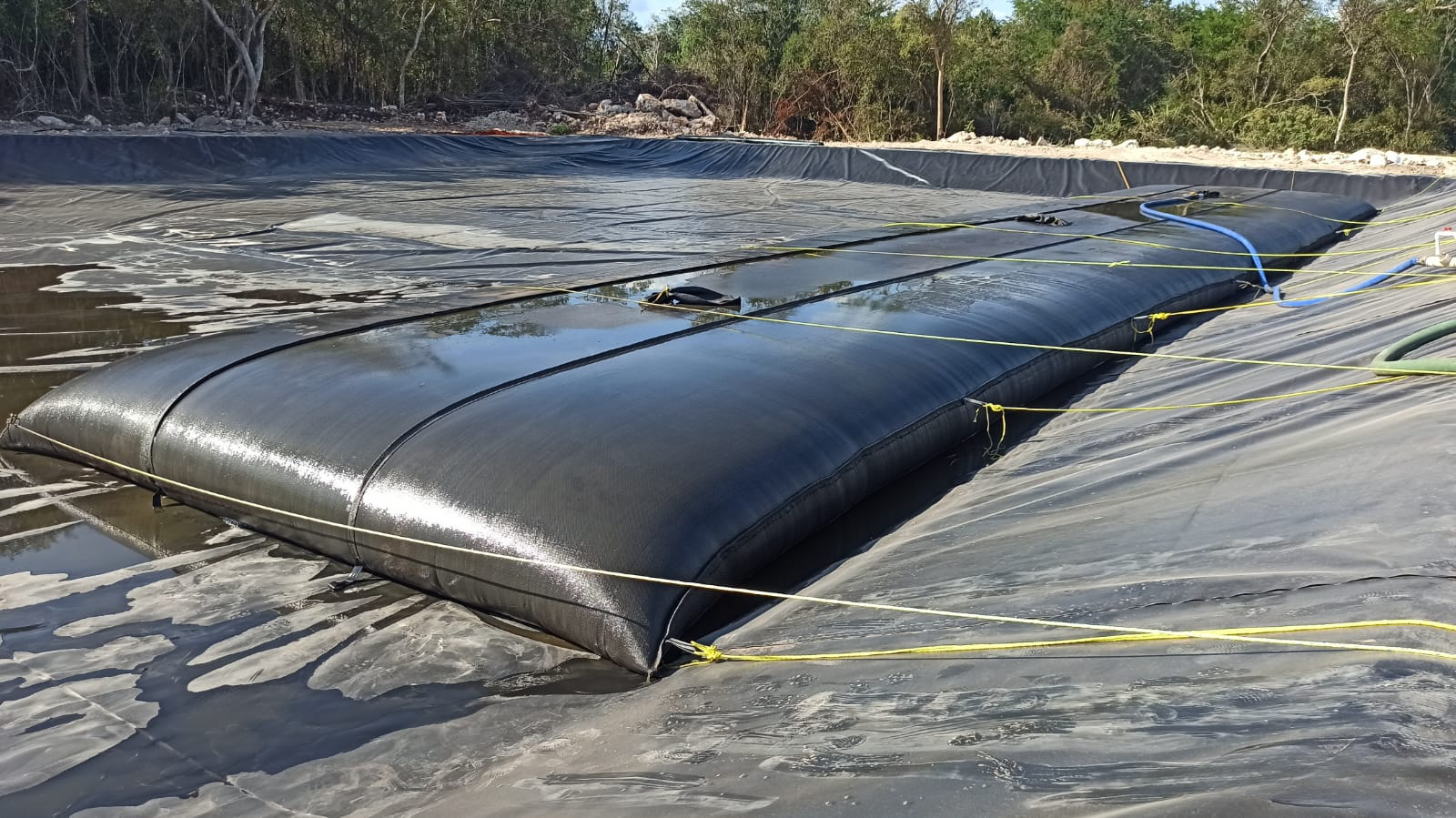
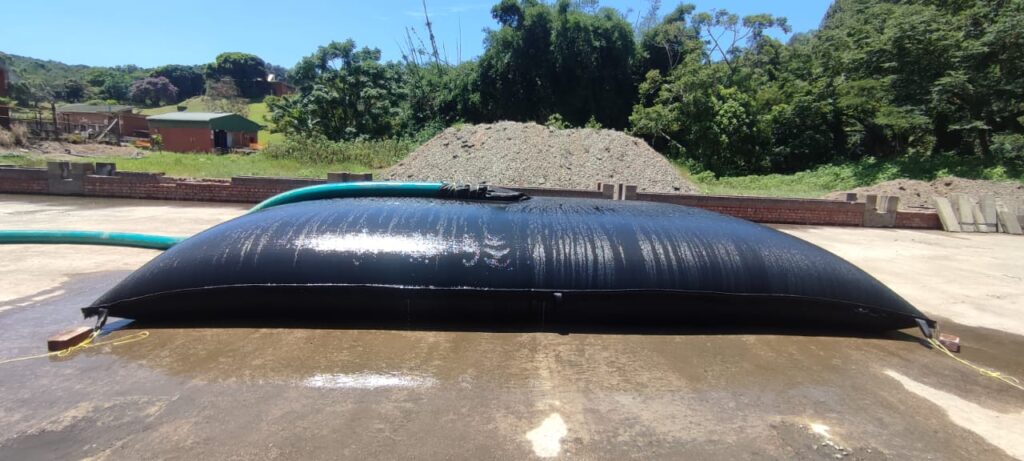
Liquid sludge or slurry is pumped into a large woven geotextile tube. The fabric retains solid particles while water filters through — passive dewatering with gravity and hydraulic pressure differential doing the work. Polymer conditioning agents injected into the slurry before pumping bind fine particles and dramatically improve dewatering rate and filtrate clarity. Multiple fill cycles progressively build solids content. TITANTube® OS435 high-flow woven geotextile maximizes filtrate throughput while maintaining exceptional solids retention.

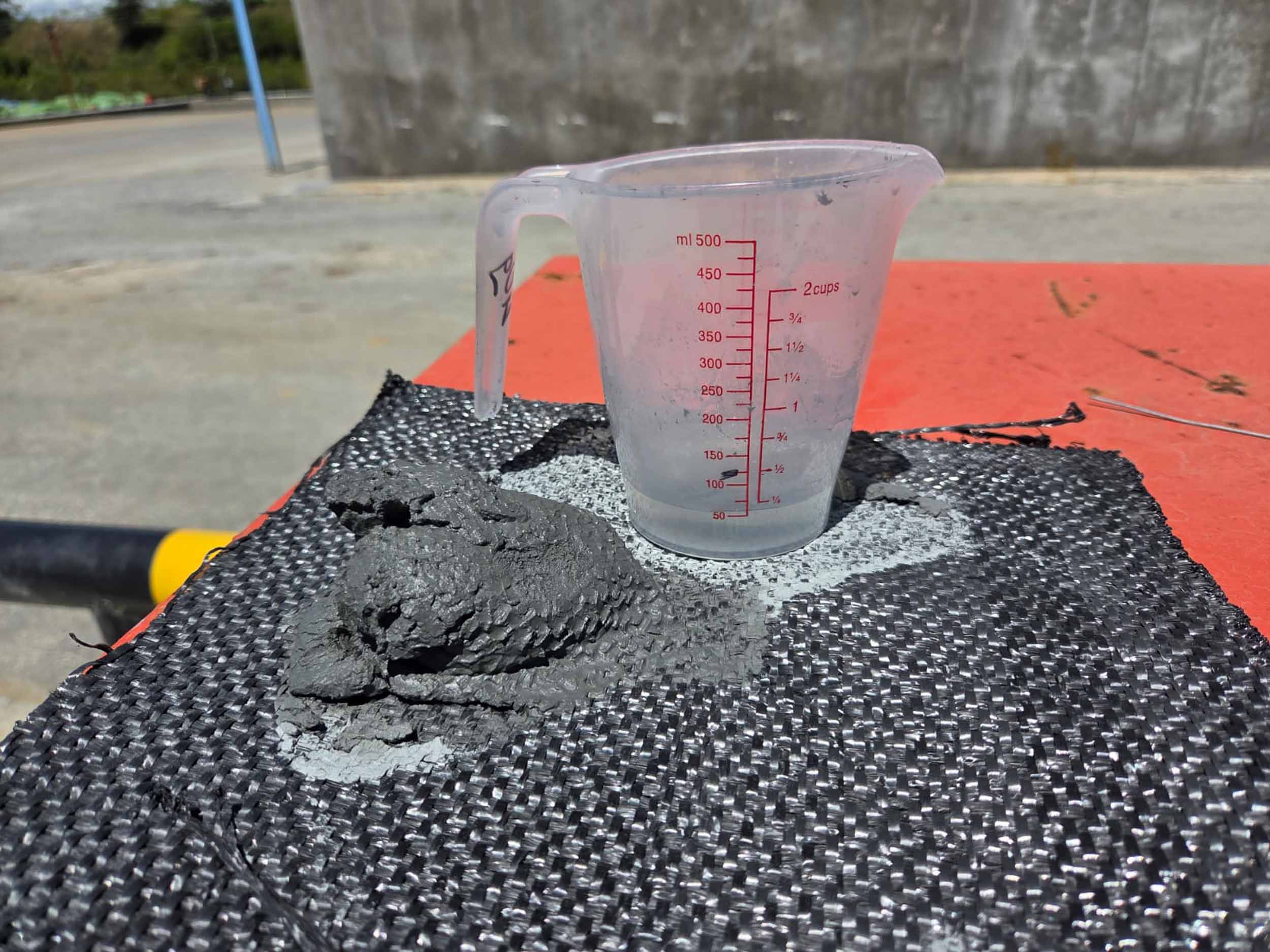
Final total solids depend on fill material characteristics, polymer selection, and drying time. Municipal biosolids typically reach 20–35% total solids. At the Savanna Street WWTP in Jackson, Mississippi, final solids averaged above 30% after just 30 days — exceeding the contractual performance threshold of 22% TS. At sufficient concentrations, dewatered material is transported as a solid where it can be beneficially reused. FTG uses the FTG CALCULATOR tool to estimate final volume and solids content from your specific fill material data.

Yes. FTG has direct project experience with active covered anaerobic lagoons — including methane release risk during dredging exposure, floating odor-control crusts that must be preserved while dredging underlying sludge, and variable sludge with fine particles and high organics. Project-specific polymer programs and dredging protocols address these conditions. FTG’s team treats operational complexity as part of the system design — surfaced during FTG’s pre-project questionnaire, resolved before mobilization.

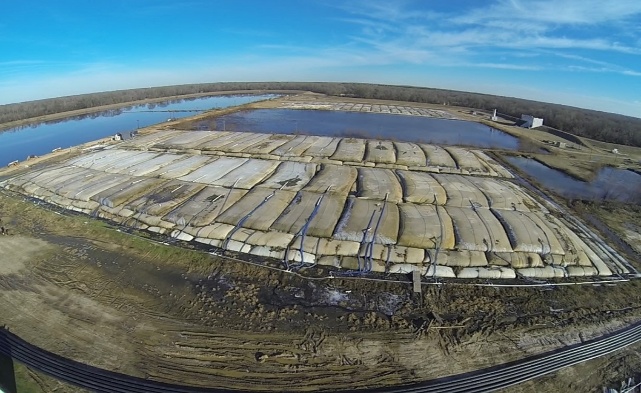
Yes. TITANTube® systems have been stacked up to four tiers at Savanna Street WWTP in Jackson, Mississippi — within engineered HDPE-lined cells with high-capacity drainage pumps, stored safely in that configuration for approximately two years. The high interface friction of TITANTube® OS435 fabric is specifically engineered for stacking stability. FTG’s PREDICTOR software models tube stress and geometry under fill conditions to design the stacking configuration.

Timeline depends on volume, tube count, fill material characteristics, and weather. Savanna Street WWTP — 92,000 dry tons across ~60 acres, 235 tubes — completed in 15 months. The Southeastern USA agricultural waste project — 6 tubes, several settling basins — completed in 45 days. FTG’s CALCULATOR estimates dewatered volume and project duration from your project parameters.

The Only Certified
Geotextile Tube Program

FTG operates the only formal TITANTube® Certification Program in the industry. Built from three decades of field knowledge.

Free Consultation

Request a Quote

Tell us about your site, budget, and timeline. Our technical team will reply with a custom quote for your environmental or coastal protection project.