Technical Support Services

Conceptual Design Services

Every FTG system starts here.

Most geosynthetic suppliers wait for a spec to arrive. FTG writes the spec — site-specific system layouts, tube sizing, panel configurations, and interface details developed before a single yard of fabric is cut.

Conceptual Design

What Conceptual Design Means at FTG

Conceptual design at FTG is not a sales exercise — it is a technical deliverable. When a project owner, contractor, or consultant brings a challenge to FTG, the team analyzes site conditions, material properties, project objectives, and regulatory context to develop a geosynthetic system that fits. That system is then diagrammed, dimensioned, and documented — often including a cross-section drawing, a fabric and system specification, and a recommended deployment approach.
The output of an FTG conceptual design is something a project team can actually use: to evaluate feasibility, to seek permitting, to issue for bid, or to present to a client. It is grounded in real-world performance data accumulated across six continents and every major application FTG serves.
It is one of the most consequential services FTG provides, and one of the clearest expressions of what 30 years of continuous deployment and 121 years of accumulated expertise across the team actually looks like in practice.

What Our Clients Say

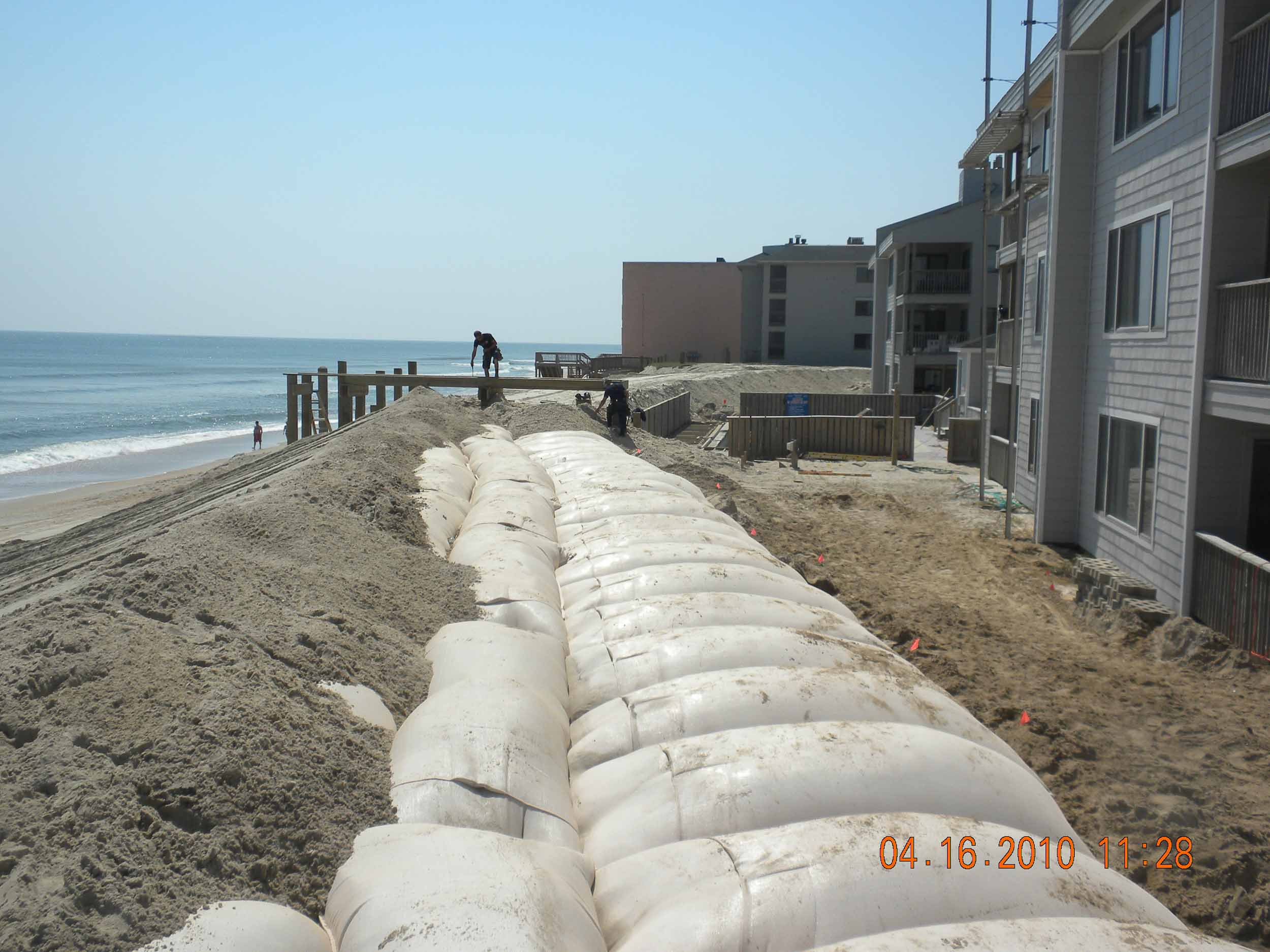
“During the installation, FTG offered innovative solutions for necessary field adjustments such as providing technical assistance in estimating the shape of the final cross-sections, determining approximate sand volume needs of individual project sections, recommending the approximate length of sections which could reasonably be filled each day, providing conceptual drawings, figuring appropriate fill port spacing and visiting the jobsite to investigate and address site-specific conditions.”

Coastal engineer, USA

Typical Deliverables

30+

Years Designing

6

Continents

121

Yrs. Expertise

Design Samples
From the Drawing Board

A selection of actual conceptual drawings produced for client projects. Each drawing is tailored to specific site conditions, material types, and project objectives — click any drawing to examine the detail.
Plan View
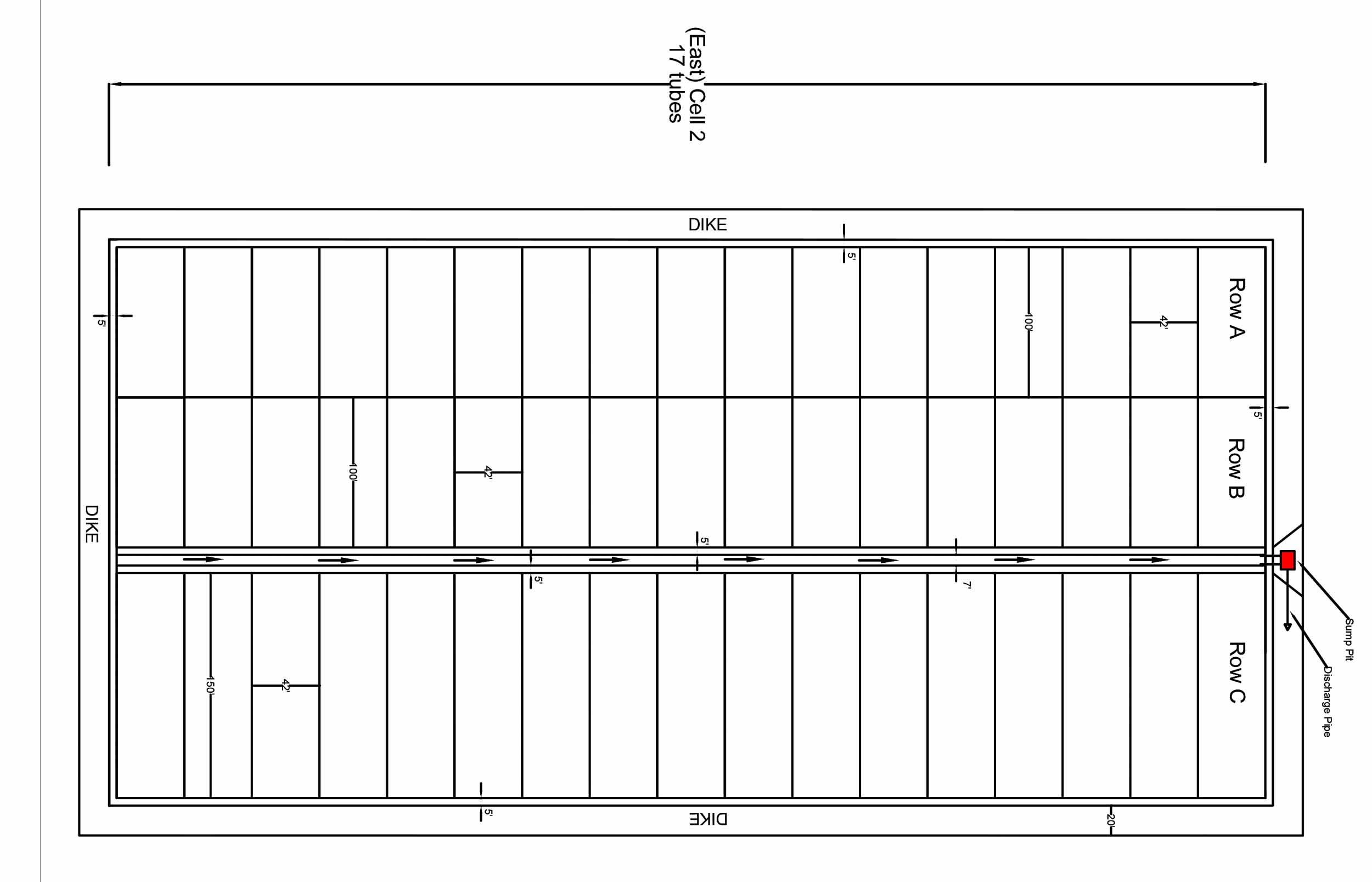
Plan layout — tube row arrangement within containment cell, showing 17 tubes across three rows
Cross-Section
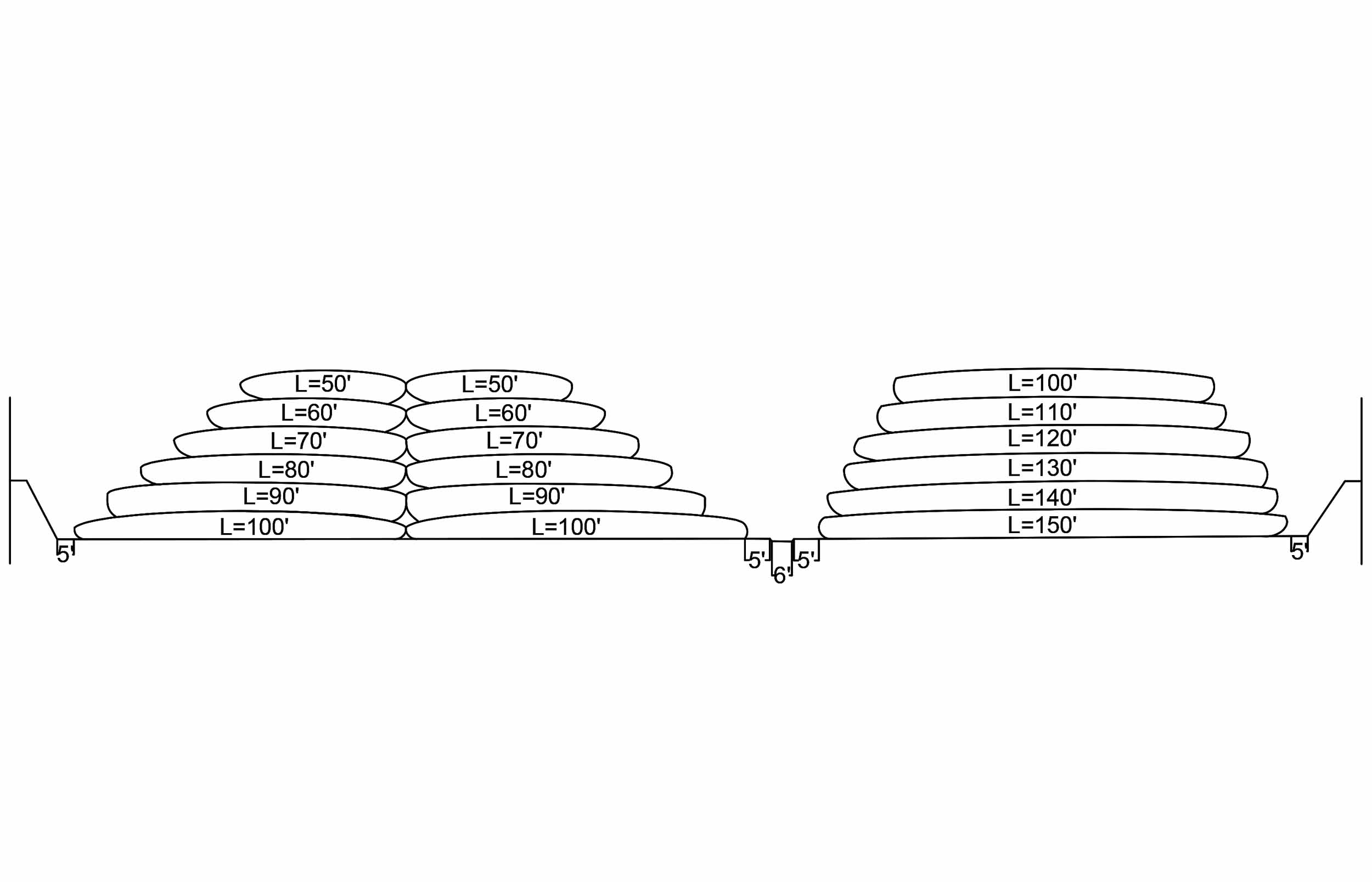
Dual-cell cross-section — two independent tube stack configurations with central drainage channel between cells
Plan View
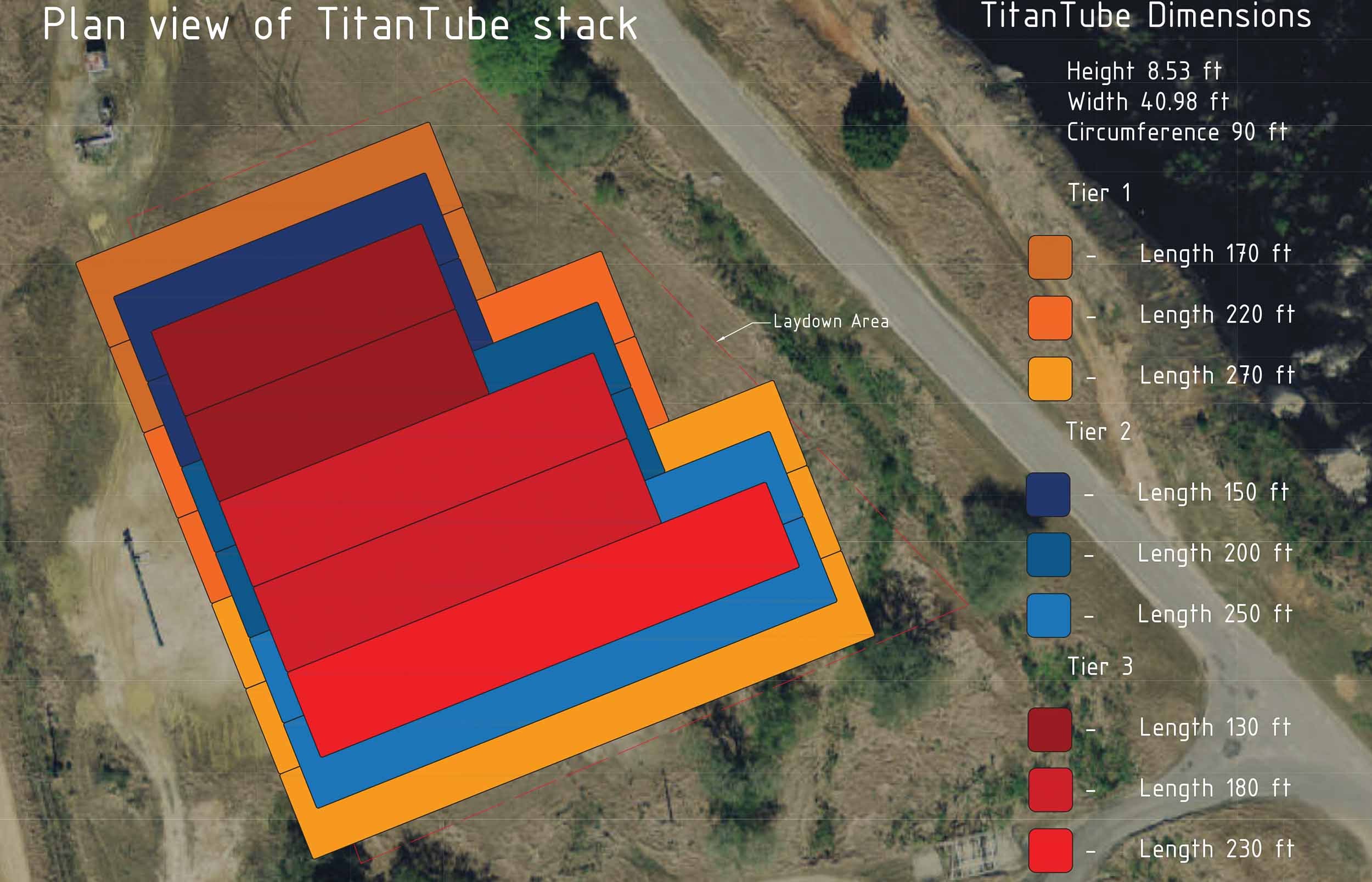
Aerial plan view — 3-tier TITANTube® stack overlaid on site, with individual tube lengths dimensioned per tier
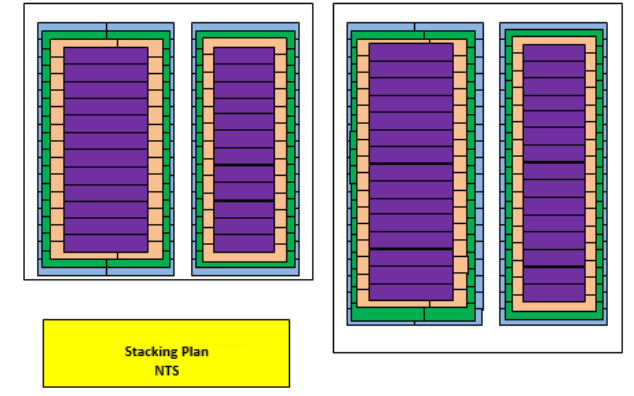
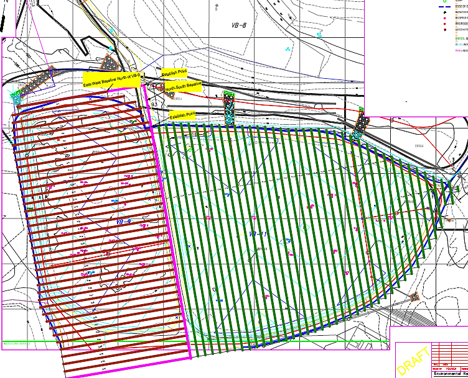
Dewatering plan view — tube stacking plan showing tube rows within each containment cell
Plan View
Dewatering plan view — tube stacking plan showing tube rows within each containment cell
Cross-Section
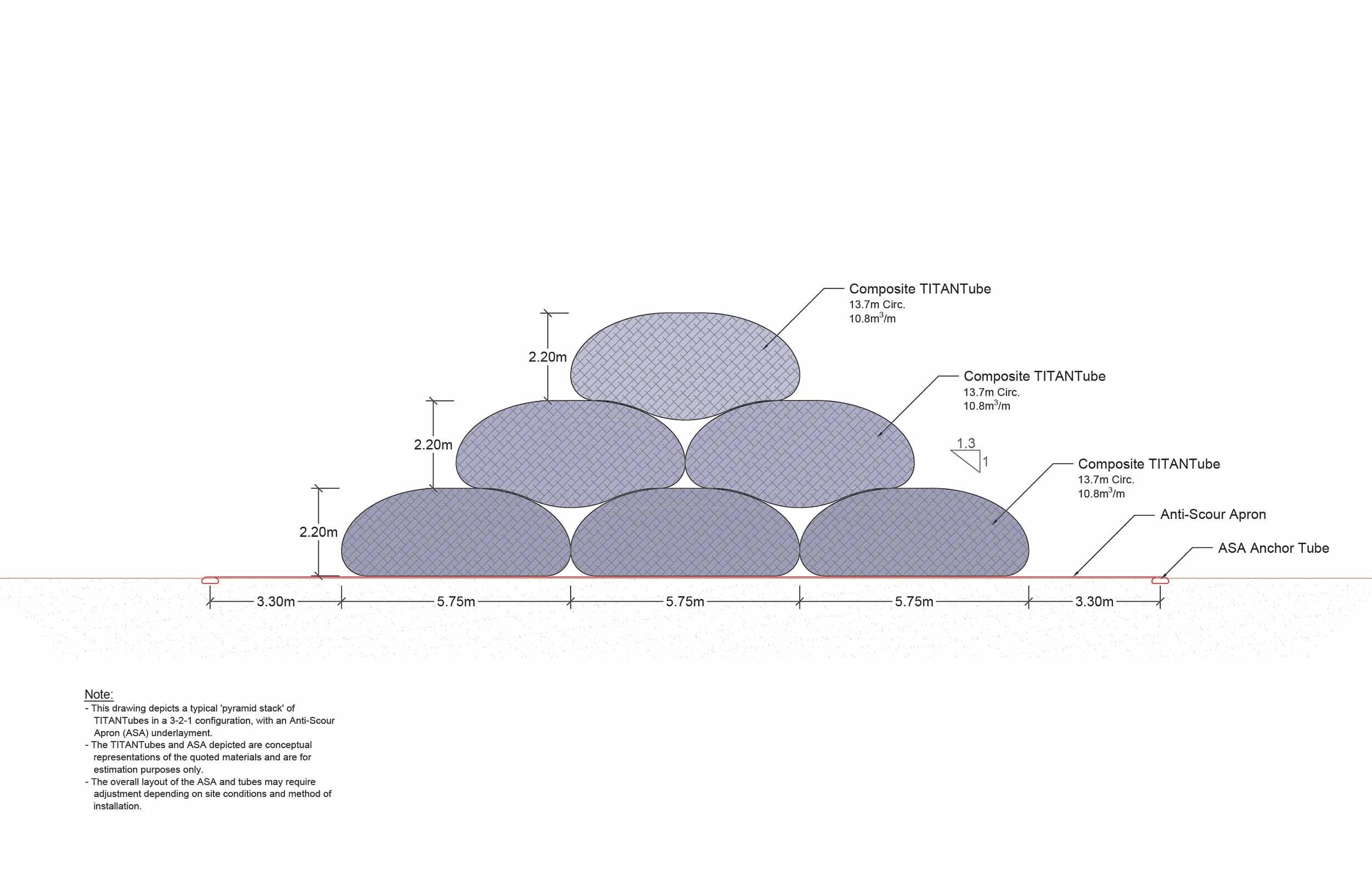
Revetment cross-section — 3-2-1 pyramid stack, 13.7m circumference composite TITANTubes® with anti-scour apron and anchor tube
Cross-Section
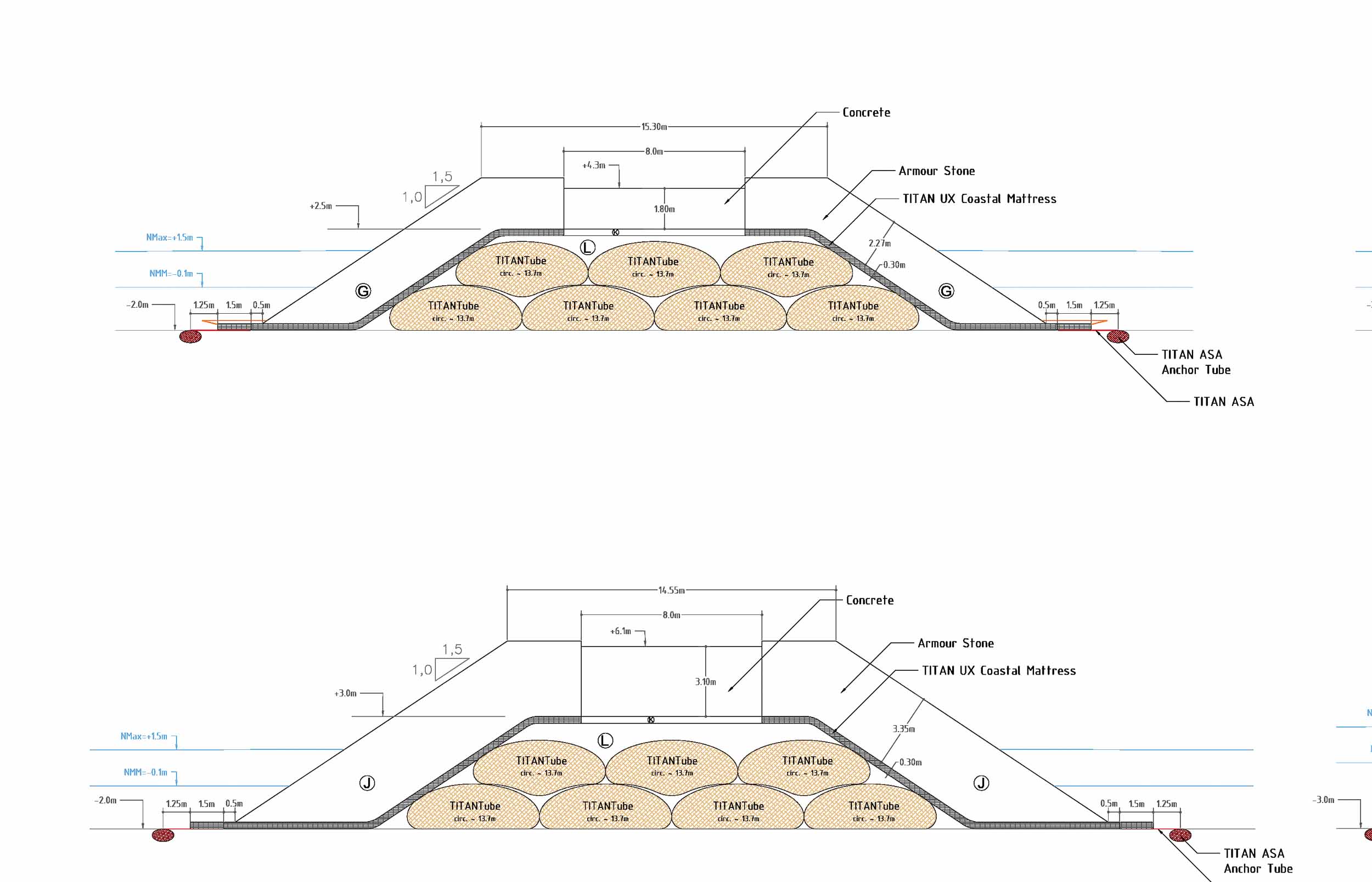
Breakwater cross-section — TITANTube® structural core with TITAN UX Coastal Mattress underlayment and armour stone cap at two tide levels
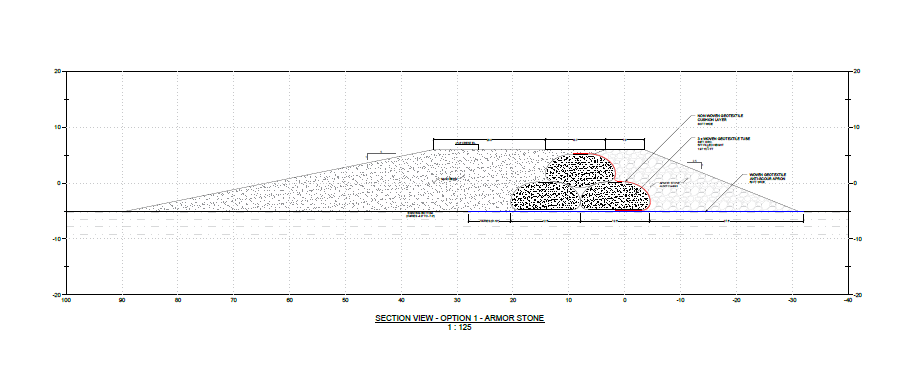
Coastal protection cross-section — armor stone option with woven geotextile tubes, cushion layer and anti-scour apron
Cross-Section
Coastal protection cross-section — armor stone option with woven geotextile tubes, cushion layer and anti-scour apron
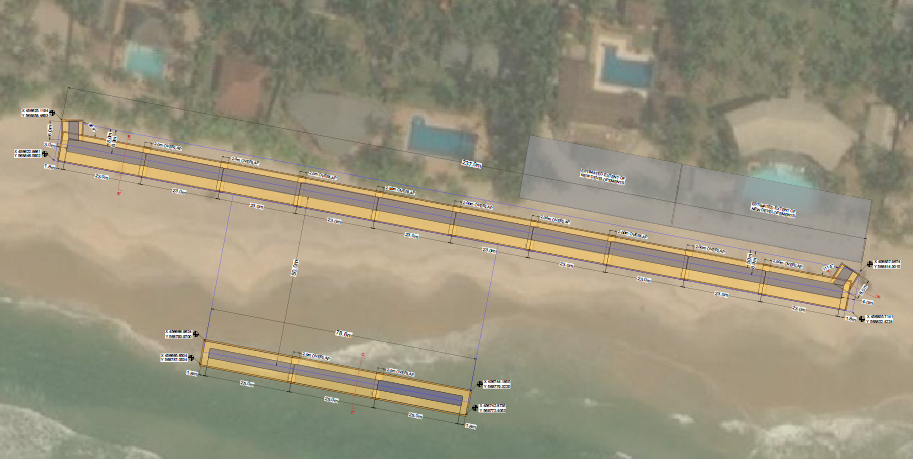
Dune core and breakwater plan view — geotextile tube alignment along a beachfront shoreline, with a shore-parallel dune core and an offshore breakwater section
Plan View
Dune core and breakwater plan view — geotextile tube alignment along a beachfront shoreline, with a shore-parallel dune core and an offshore breakwater section
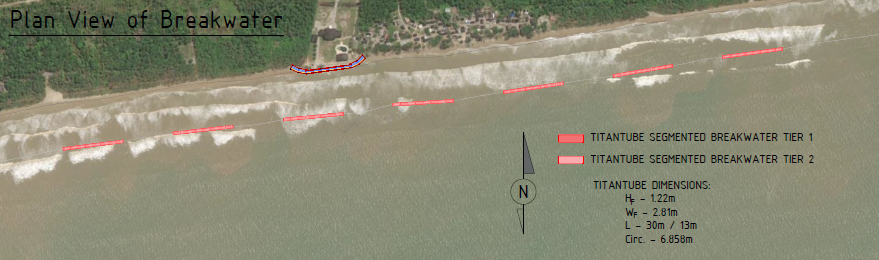
Segmented breakwater plan view - two tiers of TITANTube® segmented breakwater units set offshore along an open coastline, with unit dimensions noted
PLAN VIEW

Segmented breakwater plan view – two tiers of TITANTube® segmented breakwater units set offshore along an open coastline, with unit dimensions noted

Cross-Section
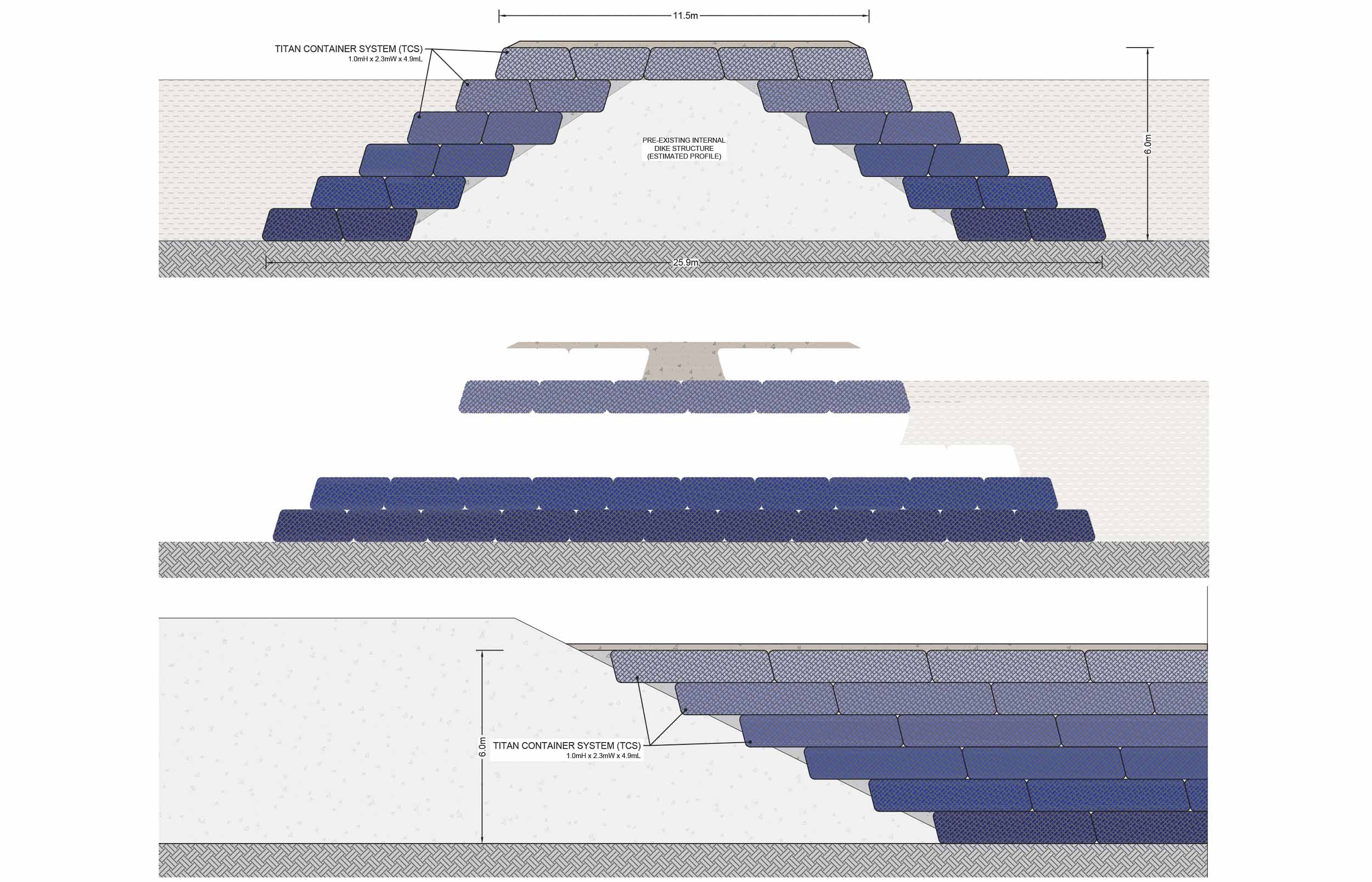
Titan Container System profiles — three cross-section configurations for in-situ dike reinforcement (1.0m × 2.3m × 4.9m units)
Plan View
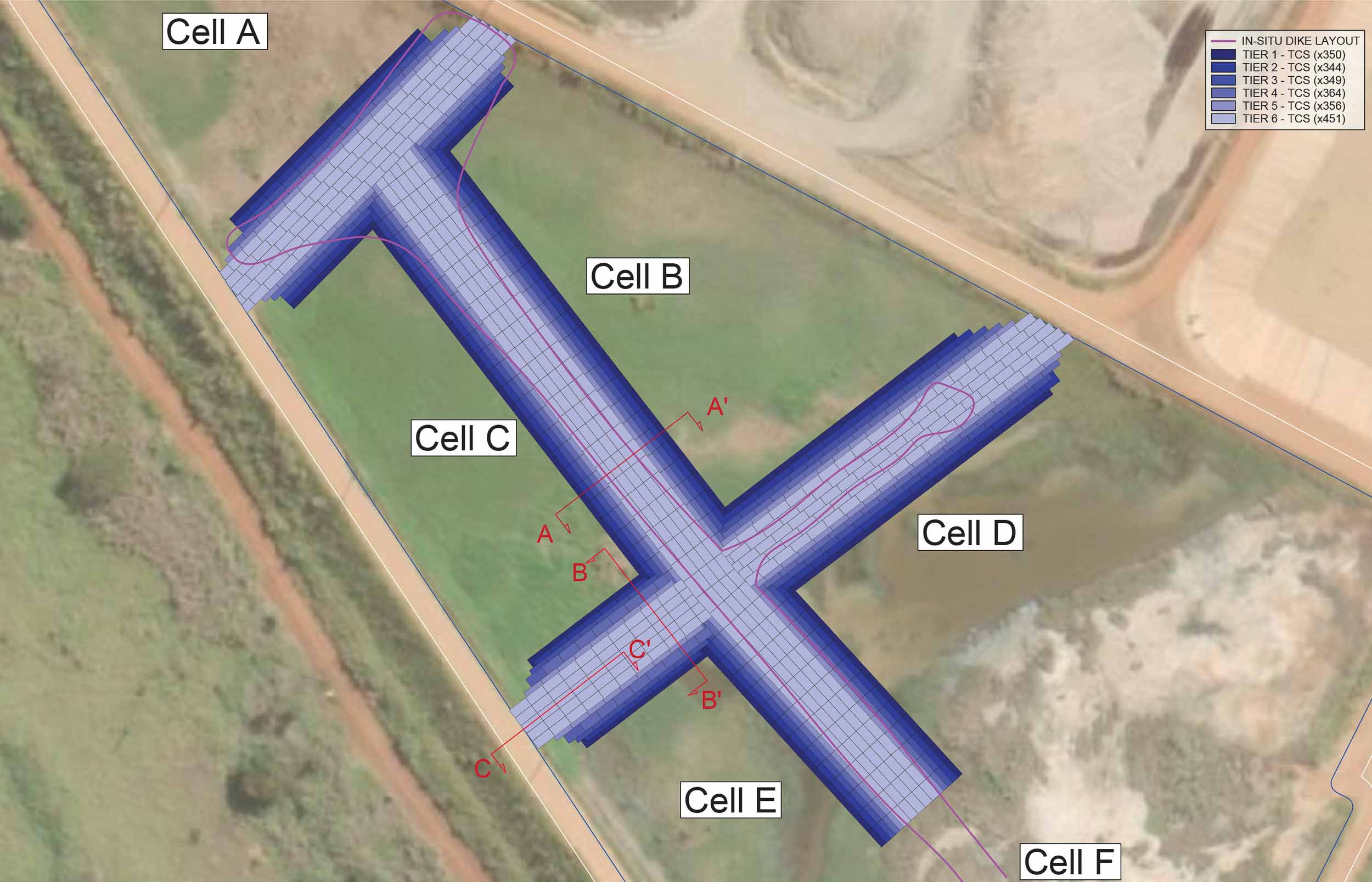
Aerial plan view — 6-tier Titan Container System in-situ dike layout across six active pond cells
Sludge cap reinforcement panel plan — field-seamed geotextile panel layout across two lagoon cells
Plan View
Sludge cap reinforcement panel plan — field-seamed geotextile panel layout across two lagoon cells

Drawings shown are representative samples from actual client projects — click to enlarge

How We Work

The Process

Four deliberate stages — from first conversation to a design the project team can act on.
01

Project Intake & Scope Definition

FTG begins every conceptual design engagement by understanding the project — what the client is trying to accomplish, what constraints exist, and what success looks like. This may involve a site visit, a video call with the project team, or a review of available geotechnical and environmental data. No two projects are identical, and FTG does not apply generic templates.
02

System Selection & Sizing

With project scope defined, FTG draws on its deep application library to select and size the right system — sometimes developing new products to meet site-specific needs. For a dewatering project, this means determining tube circumference, fabric specification, fill port layout, and polymer conditioning approach based on the material to be dewatered. For a coastal project, it means determining tube geometry, fill material, anti-scour apron sizing, and deployment sequence based on wave climate, currents, and shoreline objectives. Every parameter is chosen for a reason — and FTG can explain each one.
03

Conceptual Drawing & Documentation

The design is formalized as a set of conceptual drawings and supporting documentation. Drawings typically include plan view and cross-section diagrams showing system layout, key dimensions, and interface with adjacent structures or natural features. Supporting documentation captures system specifications, material callouts, and notes on installation approach — clean, professional deliverables the kind that travel well through project review processes.
04

Review & Refinement

Conceptual designs are working documents. FTG reviews drawings with the project team, answers questions, and refines the design concept based on feedback. If conditions change — additional geotechnical data, a shifted project footprint, evolving regulatory requirements — FTG updates the product design accordingly. The goal is a system that the project team is confident in before fabrication begins.

Our Advantage

What Sets FTG Apart

121

Years

Accumulated Expertise

FTG’s design team carries 121 years of combined industry knowledge. That depth means faster pattern recognition, fewer surprises, and designs that account for the real-world conditions that only emerge after years of active deployment.

Only

in the Industry

The Only Formal Certification Program

FTG developed and operates the only formal certification program of its kind in the geosynthetic tube industry — the TITANTube® Engineer Tech Certification Program. When FTG prepares a conceptual design, that design reflects not just accumulated experience but a rigorously documented approach — one that has been taught, tested, and refined over hundreds of deployments.

6

Continents

Six Continents of Deployment

FTG’s conceptual designs have been built and proven across six continents. That global footprint means FTG has encountered the full range of site conditions, material types, regulatory environments, and logistical constraints — and has already solved most of them.

Design That Leads Directly to Fabrication

Because FTG both designs and fabricates its systems, the conceptual design process is directly connected to production. There is no translation gap between what a design specifies and what gets built — FTG controls both. That means specifications are realistic, lead times are accurate, and the system delivered is the system that was designed.

Where We Work

Applications Served

FTG prepares conceptual designs across its full range of applications. Each draws on a distinct body of field experience — but all share the same foundational approach: understand the project, select the right system, document it clearly, and back it with the expertise to see it through.

Geotextile Tube Dewatering

Municipal biosolids, industrial sludge, mine tailings, dredged material, agricultural and food processing waste

Coastal Protection

Breakwaters, perimeter dikes, habitat islands, revetments, and anti-scour systems

Beneficial Use of Dredged Material

Habitat island creation, marsh restoration, hurricane protection structures

Sludge Lagoon Cap Reinforcement

High-strength woven geotextile cap reinforcement systems for industrial and mine tailing lagoon closure

Subaqueous Capping

Reactive core mat systems for in-place contaminated sediment remediation

Levee & Embankment Reinforcement

HSWG reinforcement for flood control and soft-foundation road construction

Living Shorelines & Marsh Restoration

Integrated geotextile infrastructure and salt-tolerant planting programs

Common Questions

Frequently Asked Questions

For straightforward applications within FTG’s established product lines, preliminary sizing and system recommendations are typically provided as part of the sales and project development process — at no separate charge. For projects that require significant design investment, multiple iterations, or work at the boundary of FTG’s application library, the scope and any associated cost are discussed upfront so there are no surprises. FTG’s goal is to earn the fabrication work by producing a design the project team can use — not to charge for design as a standalone revenue stream.

The minimum is a clear description of the project objective, the material to be managed or the problem to be solved, and the key site constraints (location, access, regulatory context if known). More detail is always better — geotechnical data, site surveys, material characterization reports, and project drawings allow for more precise design recommendations. FTG can work from a one-paragraph project description and refine the design as more information becomes available. For complex projects, a video call with the contractor and/or engineering firm is most efficient. The intake process is iterative, not a one-time data dump.

For standard applications with sufficient site information, FTG can typically produce an initial conceptual drawing and system specification within one to two weeks. Complex applications — multiple systems, unusual material types, sites with limited characterization data — take longer. Projects with permitting timelines that require a design deliverable by a specific date should communicate that timeline at the start of the engagement so FTG can manage the process accordingly.

FTG’s conceptual designs are technical deliverables intended to support project planning, permitting, and procurement — not licensed design documents stamped by a registered professional. For projects that require stamped drawings as part of the permitting or construction package, FTG recommends engaging a licensed professional engineer to review and stamp the conceptual design. FTG’s team can work directly with that individual to answer questions and support the review process.

Yes — and this is one of the most common ways FTG engages. Many projects are designed by environmental or coastal consulting firms that bring FTG in as the geosynthetic specialist. In these arrangements, FTG works directly with the lead consultant to develop the geosynthetic system scope within the broader project design, attending design meetings, responding to design questions, and refining the system as the project evolves. FTG’s role is collaborative, not territorial.

A conceptual design is where FTG’s subject matter experts come in to assist the engineer of record and/or the design-build team establish the geosynthetic system — what product is used, approximate dimensions, overall layout, and key interface details. It is sufficient for feasibility evaluation, early permitting engagement, and procurement planning. A final design, completed by the professional engineer of record, refines all parameters to construction tolerances, incorporates site-specific survey data, and produces the installation drawings and specifications that field crews work from.
The Only Certified
Geotextile Tube Program

FTG operates the only formal TITANTube® Certification Program in the industry. Built from three decades of field knowledge.

geotextile specialists

Request a Consultation

Contact FTG to request a conceptual design consultation.

Free Consultation

Request a Quote

Tell us about your site, budget, and timeline. Our technical team will reply with a custom quote for your environmental or coastal protection project.