
Every FTG system starts here.
Conceptual Design
What Our Clients Say
“During the installation, FTG offered innovative solutions for necessary field adjustments such as providing technical assistance in estimating the shape of the final cross-sections, determining approximate sand volume needs of individual project sections, recommending the approximate length of sections which could reasonably be filled each day, providing conceptual drawings, figuring appropriate fill port spacing and visiting the jobsite to investigate and address site-specific conditions.”
Coastal engineer, USA
Typical Deliverables
30+
Years Designing
6
Continents
121
Yrs. Expertise
Design Samples
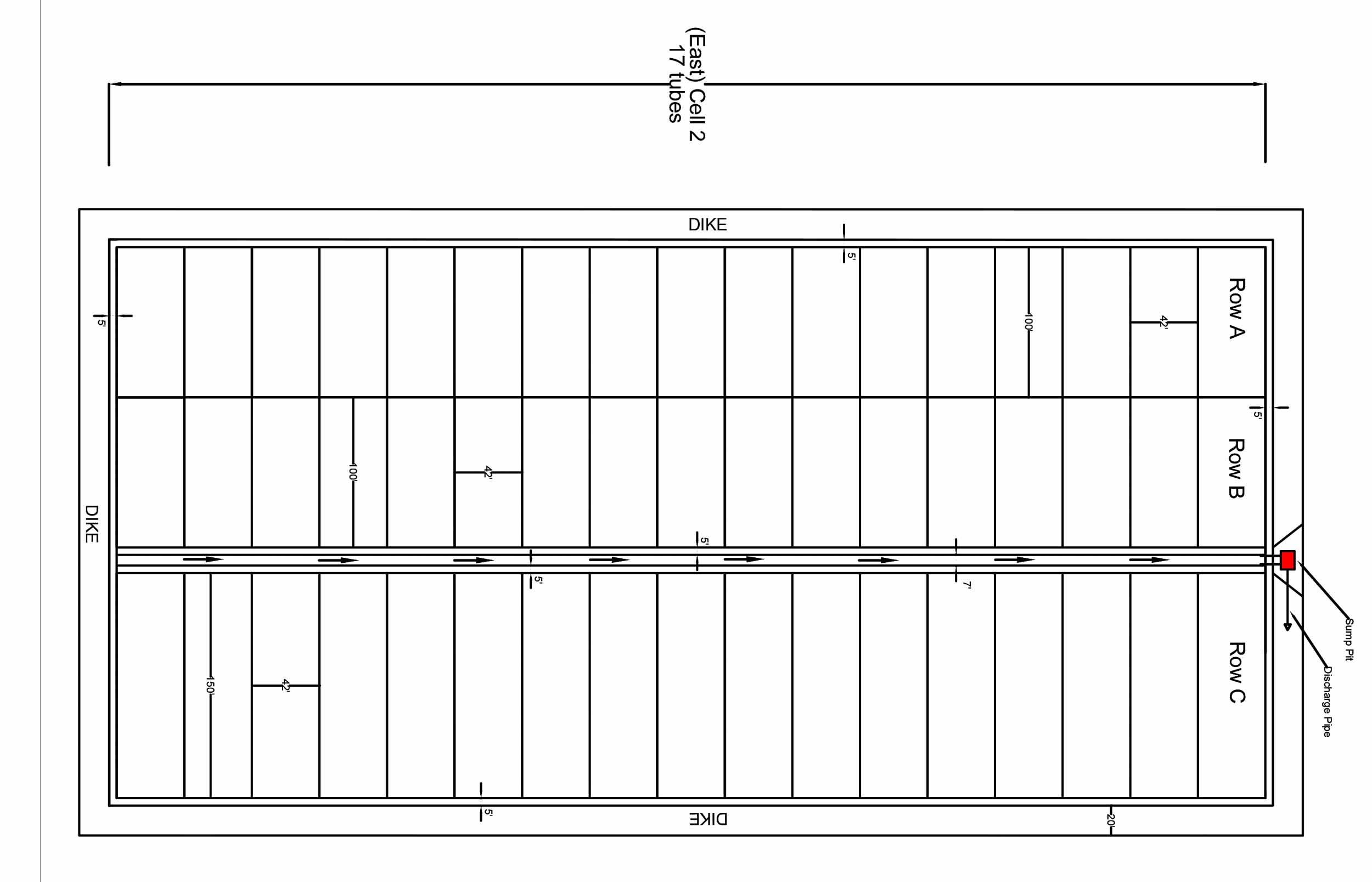
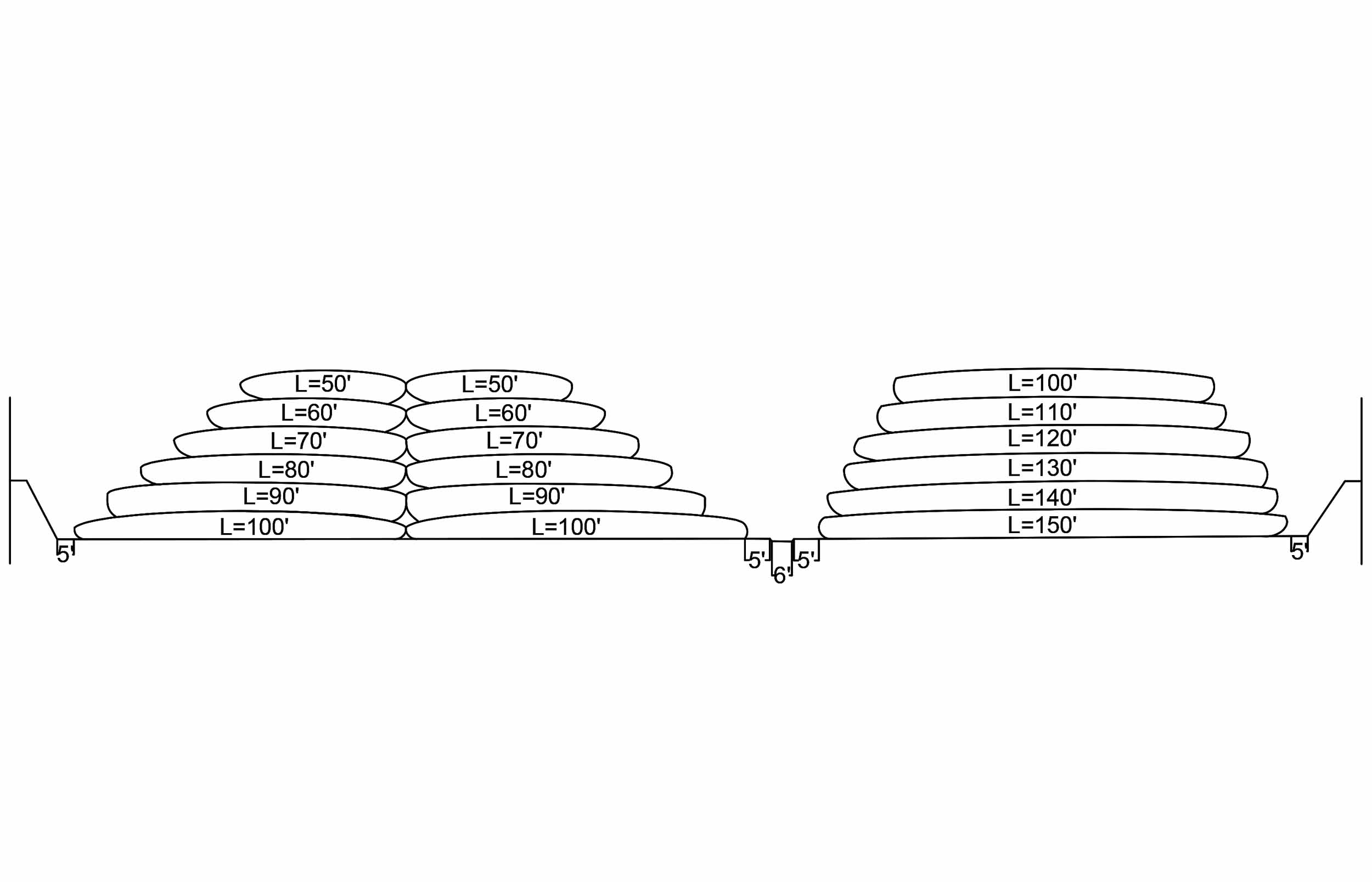
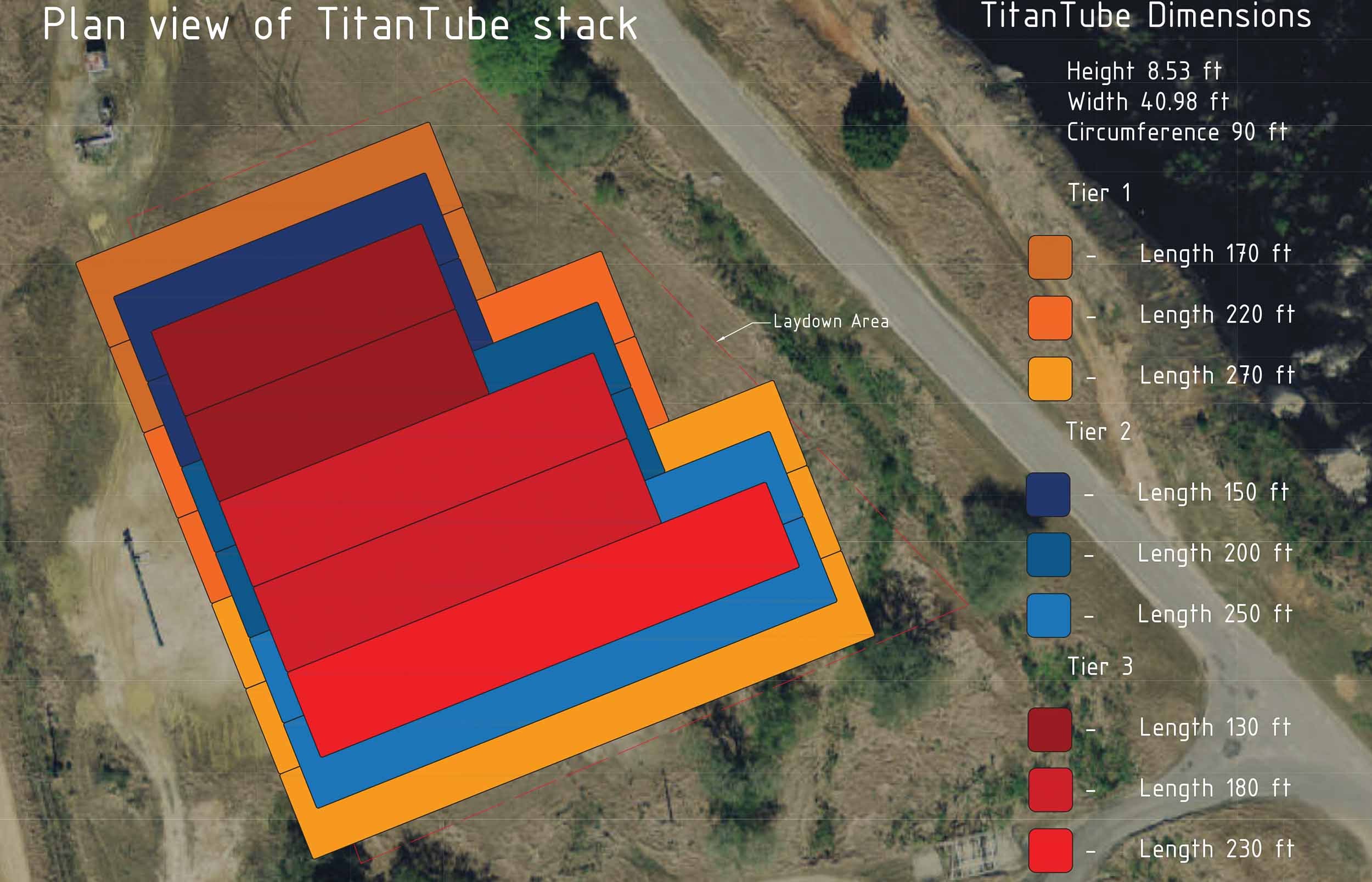
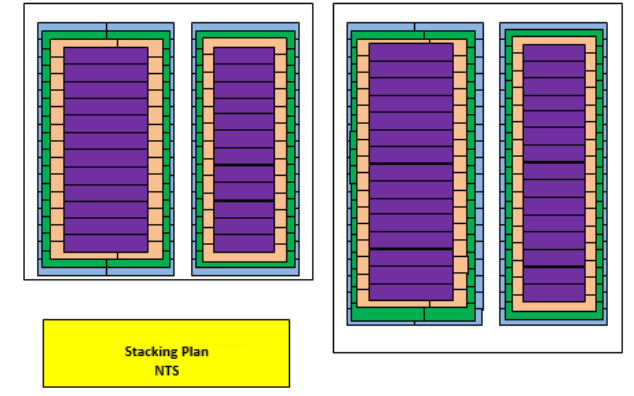
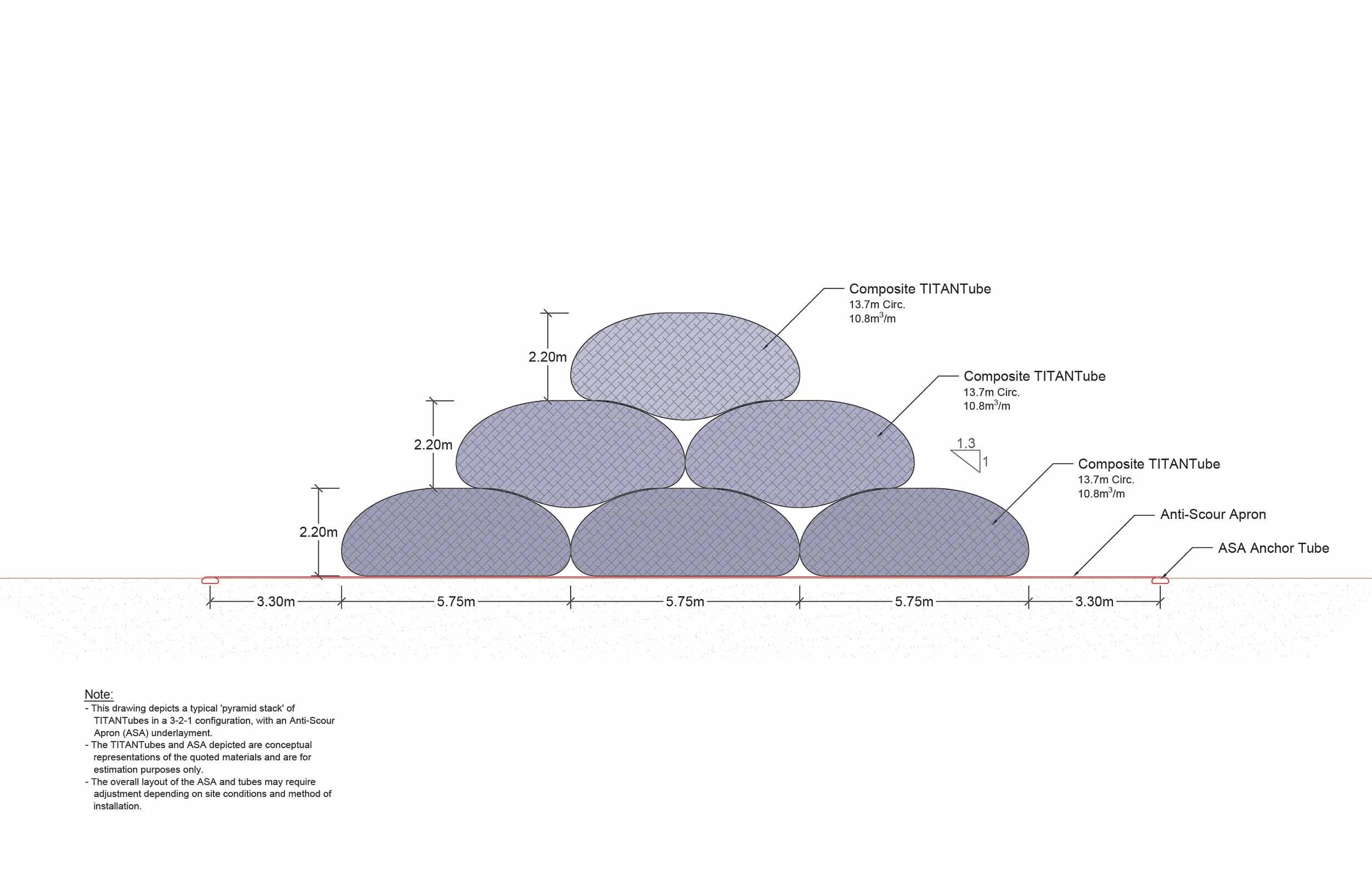
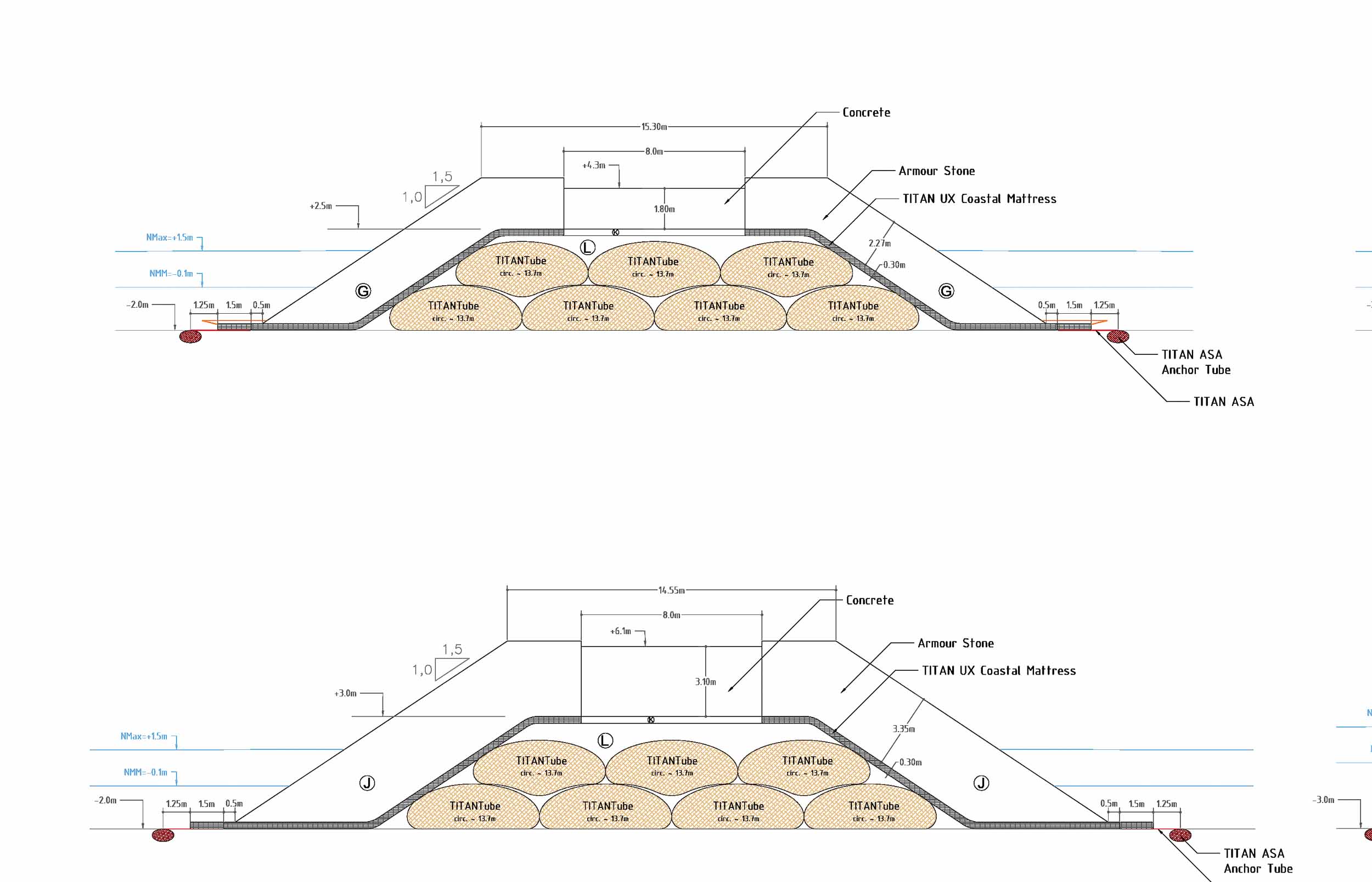
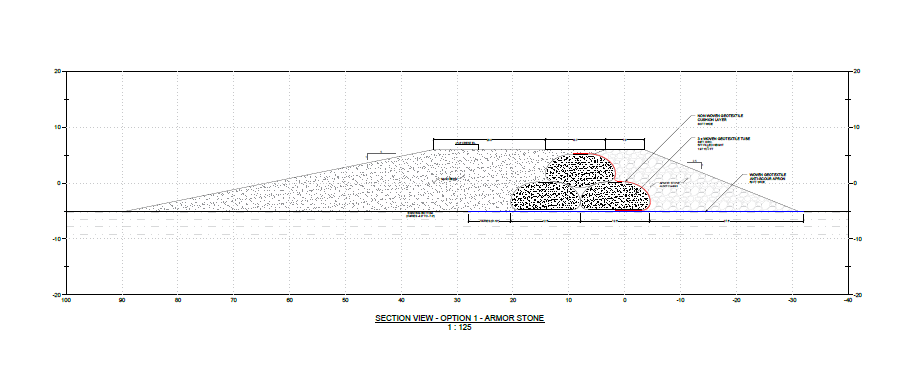
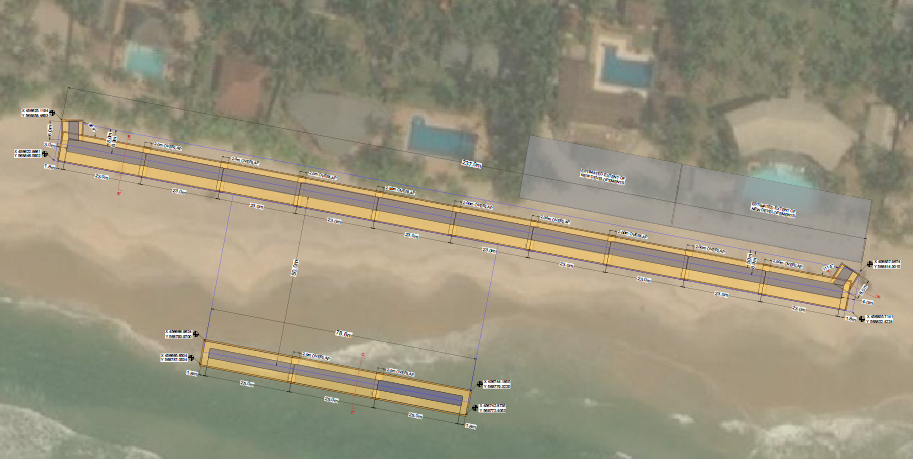
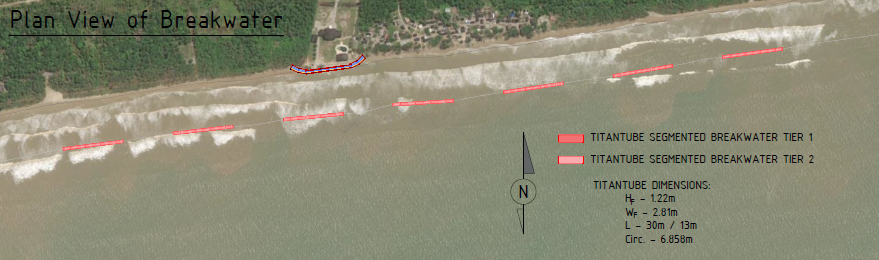
Segmented breakwater plan view – two tiers of TITANTube® segmented breakwater units set offshore along an open coastline, with unit dimensions noted
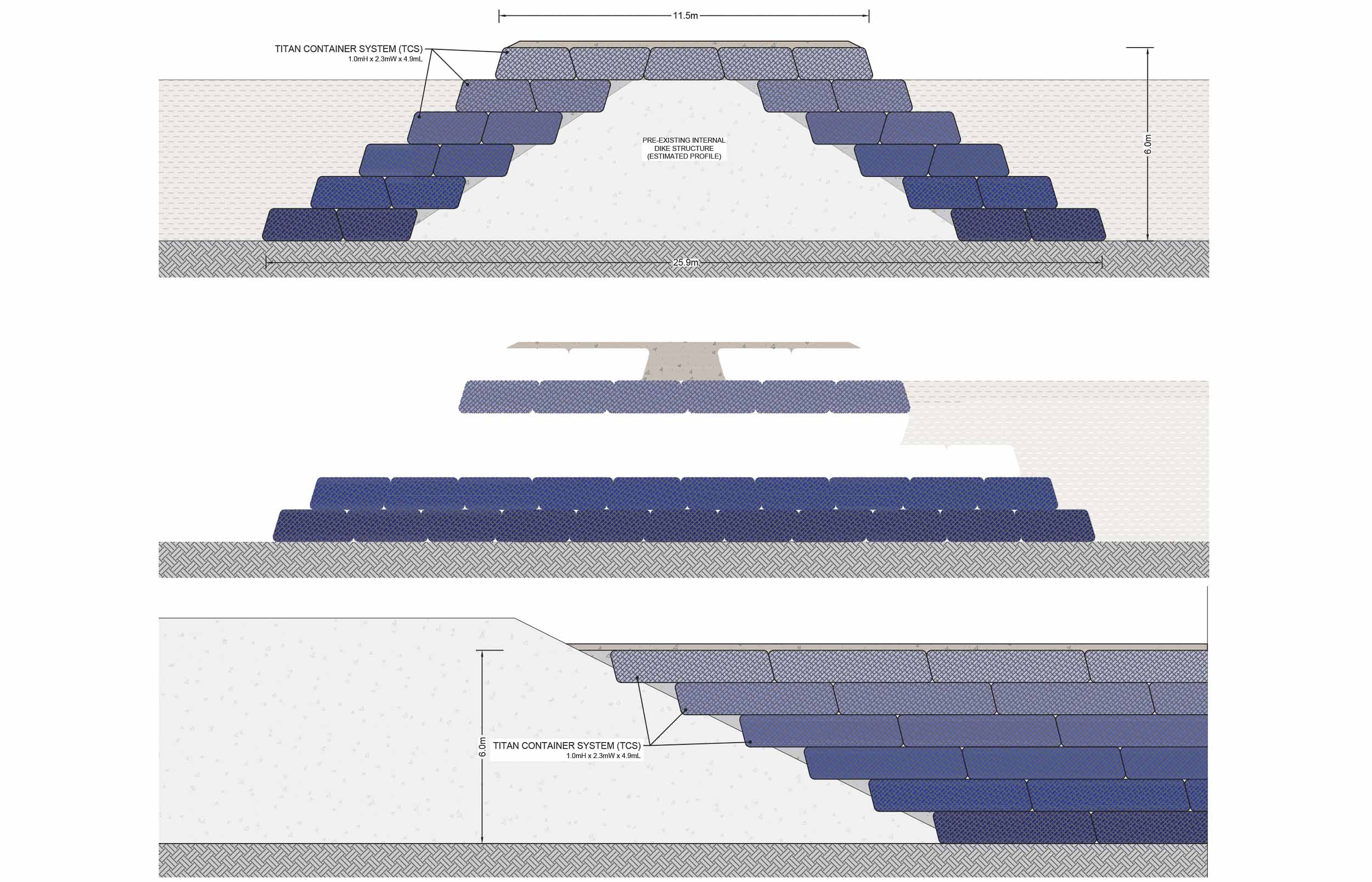
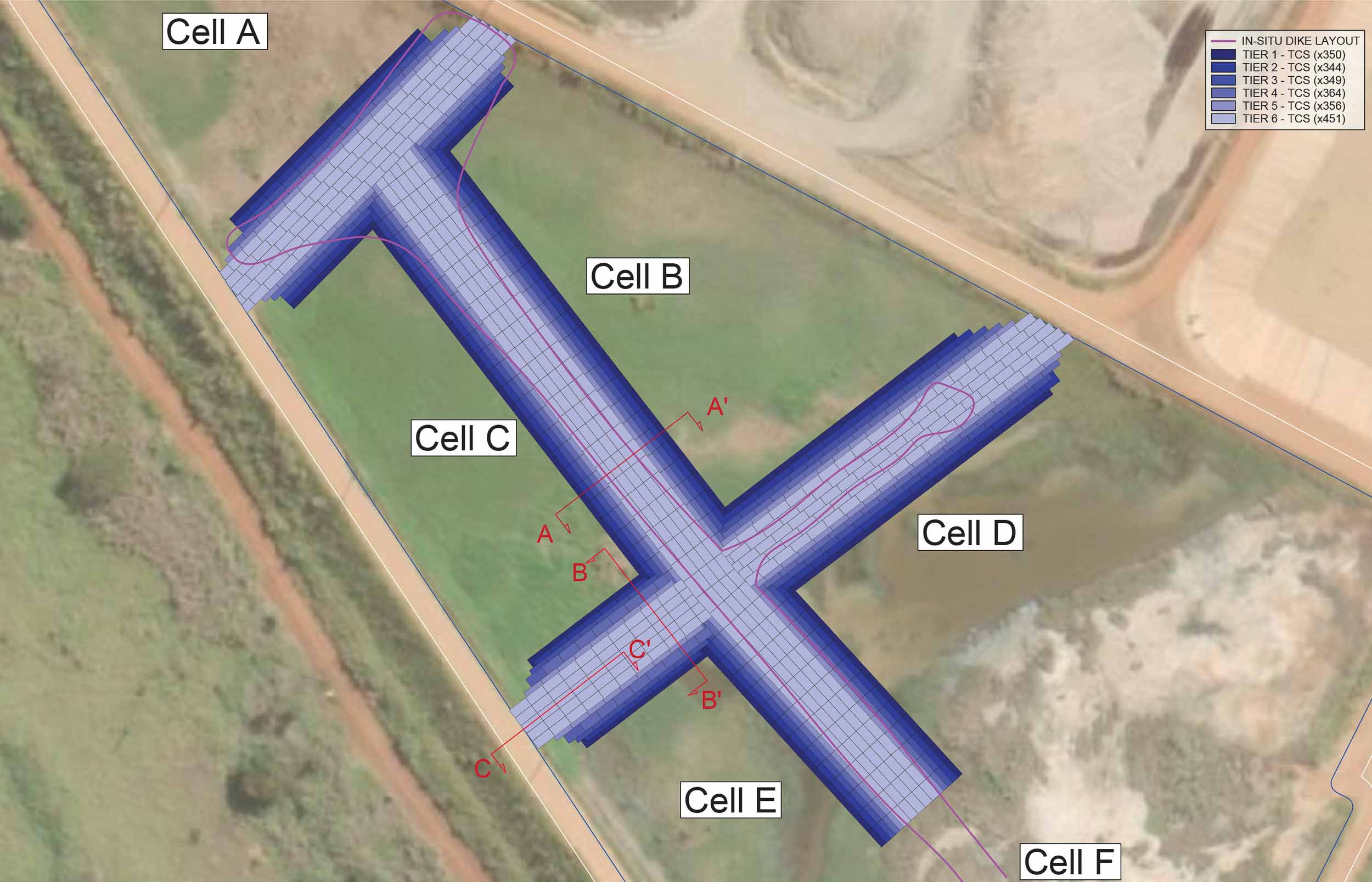
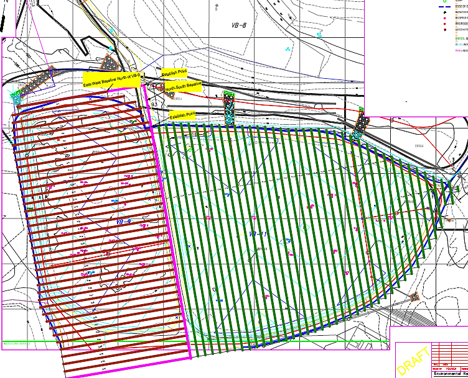
Drawings shown are representative samples from actual client projects — click to enlarge
How We Work
Our Advantage
121
Years
Only
in the Industry
6
Continents
Design That Leads Directly to Fabrication
Where We Work
Common Questions
For straightforward applications within FTG’s established product lines, preliminary sizing and system recommendations are typically provided as part of the sales and project development process — at no separate charge. For projects that require significant design investment, multiple iterations, or work at the boundary of FTG’s application library, the scope and any associated cost are discussed upfront so there are no surprises. FTG’s goal is to earn the fabrication work by producing a design the project team can use — not to charge for design as a standalone revenue stream.
The minimum is a clear description of the project objective, the material to be managed or the problem to be solved, and the key site constraints (location, access, regulatory context if known). More detail is always better — geotechnical data, site surveys, material characterization reports, and project drawings allow for more precise design recommendations. FTG can work from a one-paragraph project description and refine the design as more information becomes available. For complex projects, a video call with the contractor and/or engineering firm is most efficient. The intake process is iterative, not a one-time data dump.
For standard applications with sufficient site information, FTG can typically produce an initial conceptual drawing and system specification within one to two weeks. Complex applications — multiple systems, unusual material types, sites with limited characterization data — take longer. Projects with permitting timelines that require a design deliverable by a specific date should communicate that timeline at the start of the engagement so FTG can manage the process accordingly.
FTG’s conceptual designs are technical deliverables intended to support project planning, permitting, and procurement — not licensed design documents stamped by a registered professional. For projects that require stamped drawings as part of the permitting or construction package, FTG recommends engaging a licensed professional engineer to review and stamp the conceptual design. FTG’s team can work directly with that individual to answer questions and support the review process.
Yes — and this is one of the most common ways FTG engages. Many projects are designed by environmental or coastal consulting firms that bring FTG in as the geosynthetic specialist. In these arrangements, FTG works directly with the lead consultant to develop the geosynthetic system scope within the broader project design, attending design meetings, responding to design questions, and refining the system as the project evolves. FTG’s role is collaborative, not territorial.
A conceptual design is where FTG’s subject matter experts come in to assist the engineer of record and/or the design-build team establish the geosynthetic system — what product is used, approximate dimensions, overall layout, and key interface details. It is sufficient for feasibility evaluation, early permitting engagement, and procurement planning. A final design, completed by the professional engineer of record, refines all parameters to construction tolerances, incorporates site-specific survey data, and produces the installation drawings and specifications that field crews work from.
geotextile specialists
Free Consultation