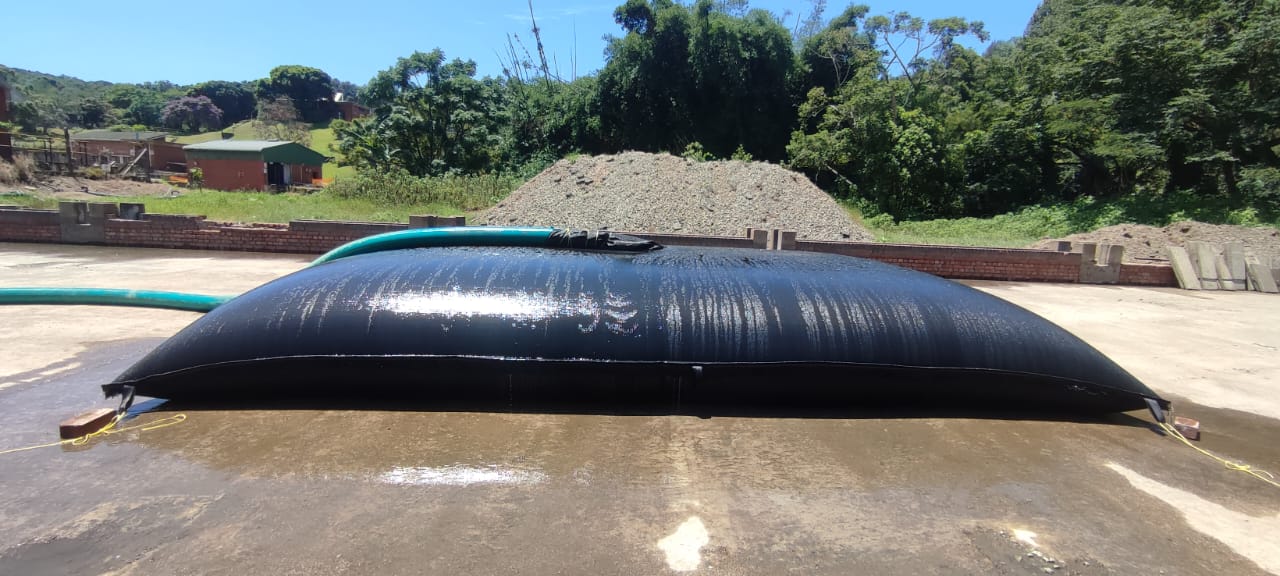
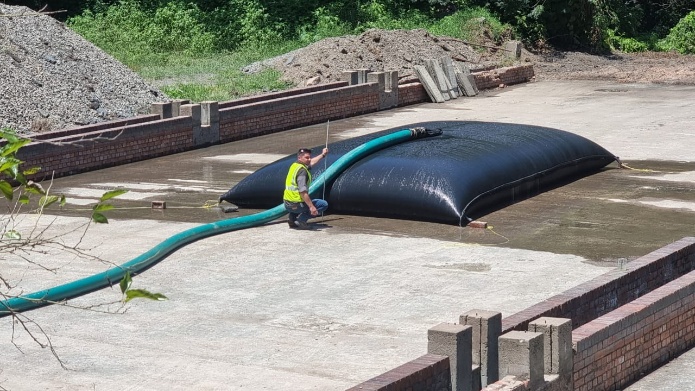
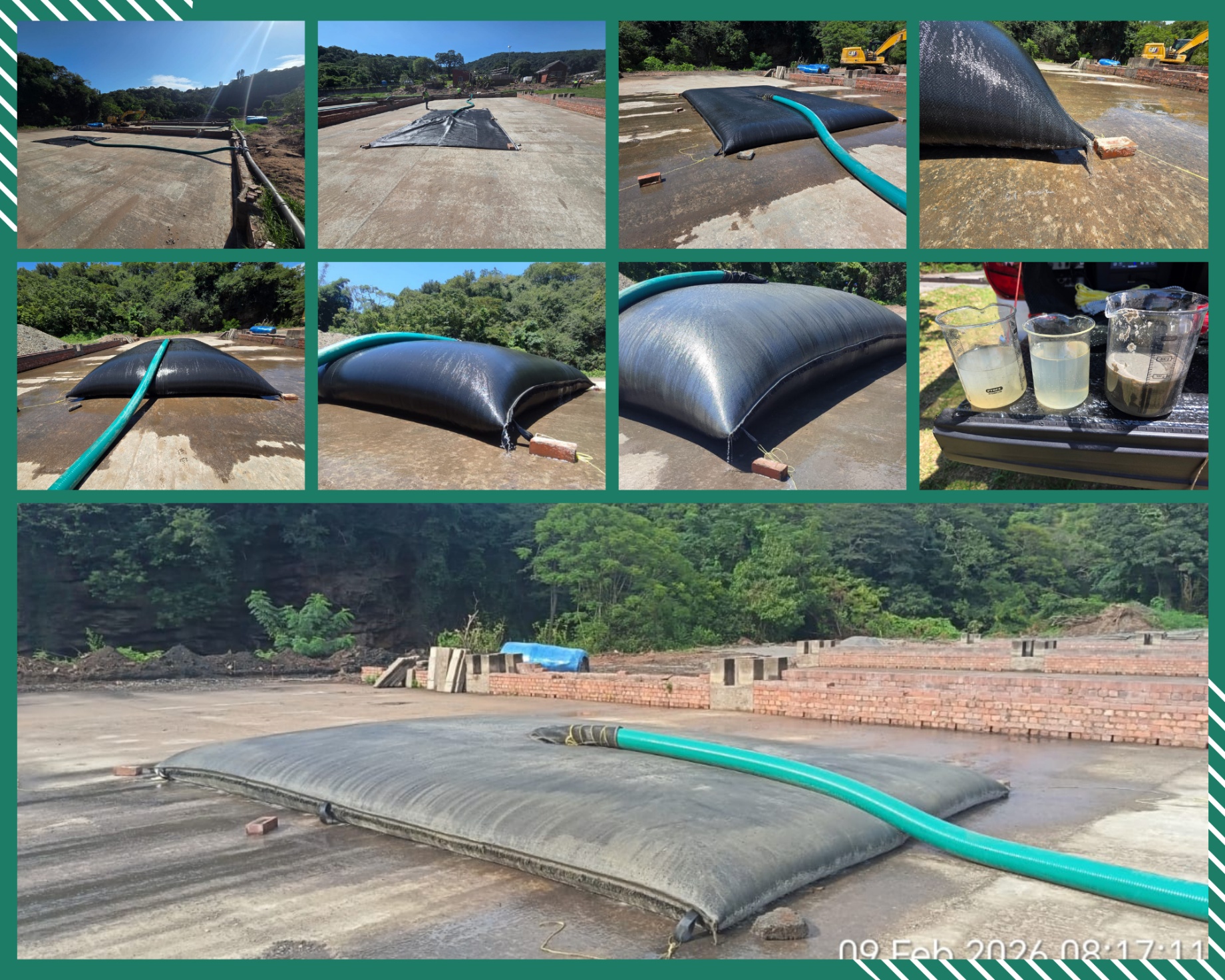
A pilot-scale trial was undertaken to evaluate the effectiveness of geotextile tube technology for the dewatering of municipal waste slurry. The purpose of the trial was to assess the potential for reducing slurry volume, improving sludge handling efficiency, and improving overall dewatering performance.
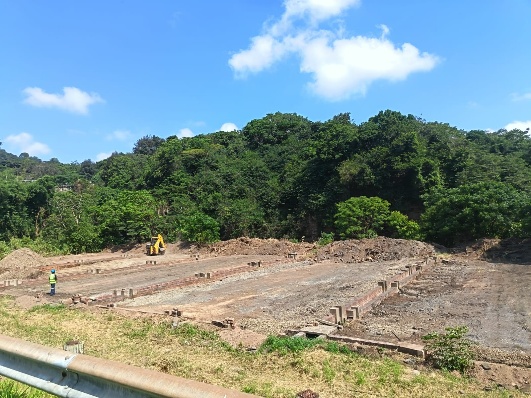
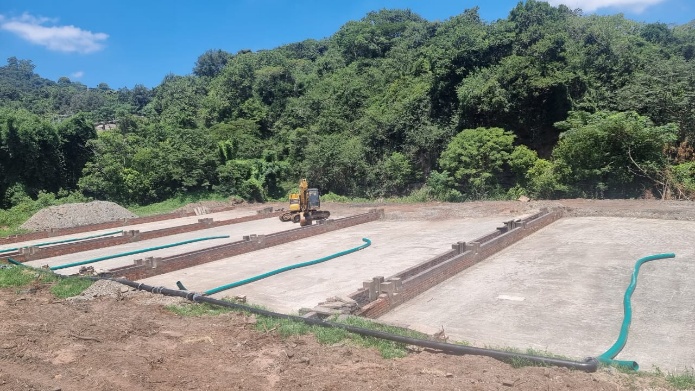
A suitable trial area was established to facilitate the installation and operation of the geotextile tube system, including the management of slurry input and filtrate recovery. The appropriate polymer conditioning system was identified and applied to optimize the flocculation process, promoting improved solids separation and achieving effective dewatering outcomes.
Challenges
Insufficient drying bed capacity may result in longer drying periods, reduced sludge handling efficiency, and storage constraints. Variations in sludge characteristics can affect settling and dewatering performance, requiring optimization of chemical dosing and treatment processes. Ageing infrastructure, high sludge transportation and disposal costs, odor management concerns, and increasing regulatory requirements further place pressure on plant operations. These challenges highlight the need for efficient sludge reduction, improved dewatering technologies, and optimized process management to enhance wastewater treatment plant performance and ensure sustainable operations.
Solution
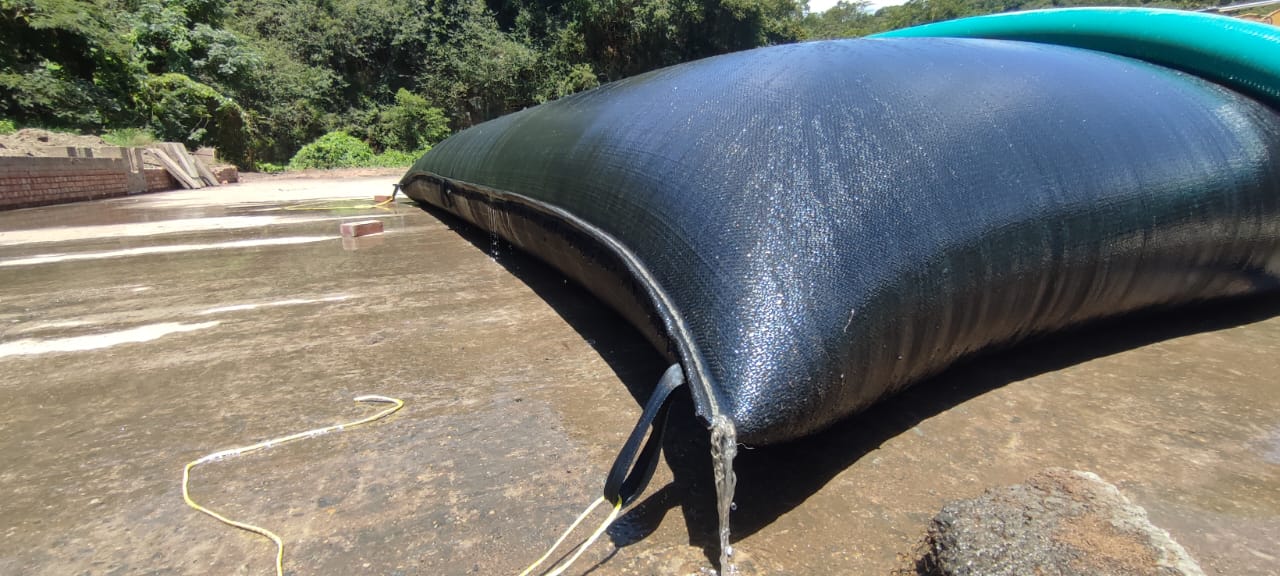
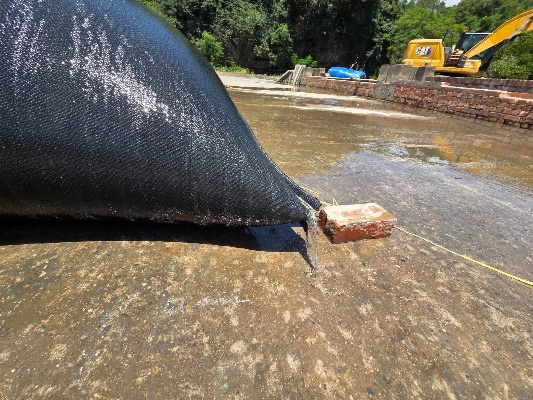
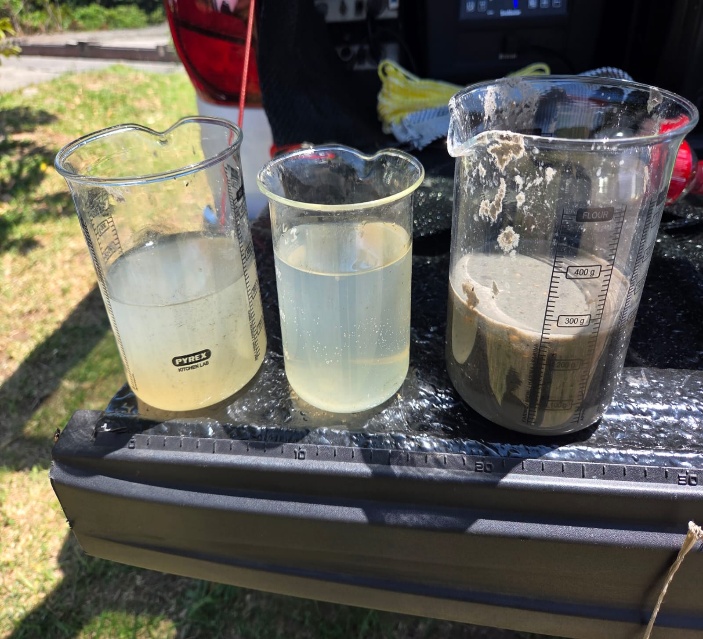
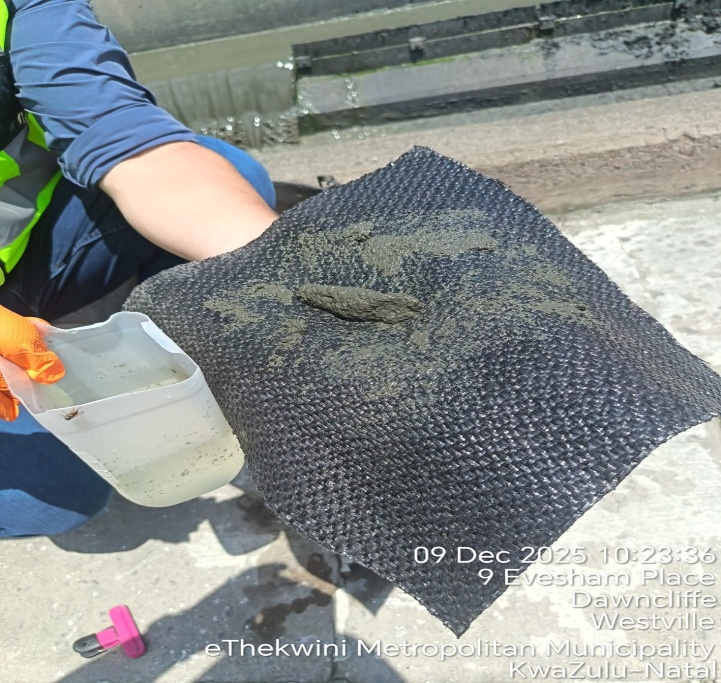
The pilot tube performed as intended, indicating consistent filtration and clear filtrate during and after pumping cycles. After a full pump cycle, the tube required approximately 4–5 hours to drain down sufficiently to begin the next cycle.
The final supervised fill showed that the tube pumped up to approximately 1.5 m (pilot tube maximum operational height) and after 2 days reduced to approximately 200–250 mm height — indicating roughly 70% volume reduction while maintaining clear filtrate and stable operation throughout. Client confidence increased through proof-of-performance, training, and a clean handover supporting repeatable operation going forward.
Benefits
Significant volume reduction of approximately 70% was achieved within 48 hours of a full fill cycle, dramatically cutting the footprint and cost of sludge storage.
Lower disposal costs result directly from the reduced volume and improved solids content of dewatered cake, minimizing haulage and landfill fees.
High solids capture was confirmed by clear filtrate observed consistently during and after each pumping cycle, ensuring regulatory compliance and protecting downstream water quality.
FTG’s technical team has tackled complex environmental and coastal projects on six continents. Tell us about your site and we’ll recommend the right system.